
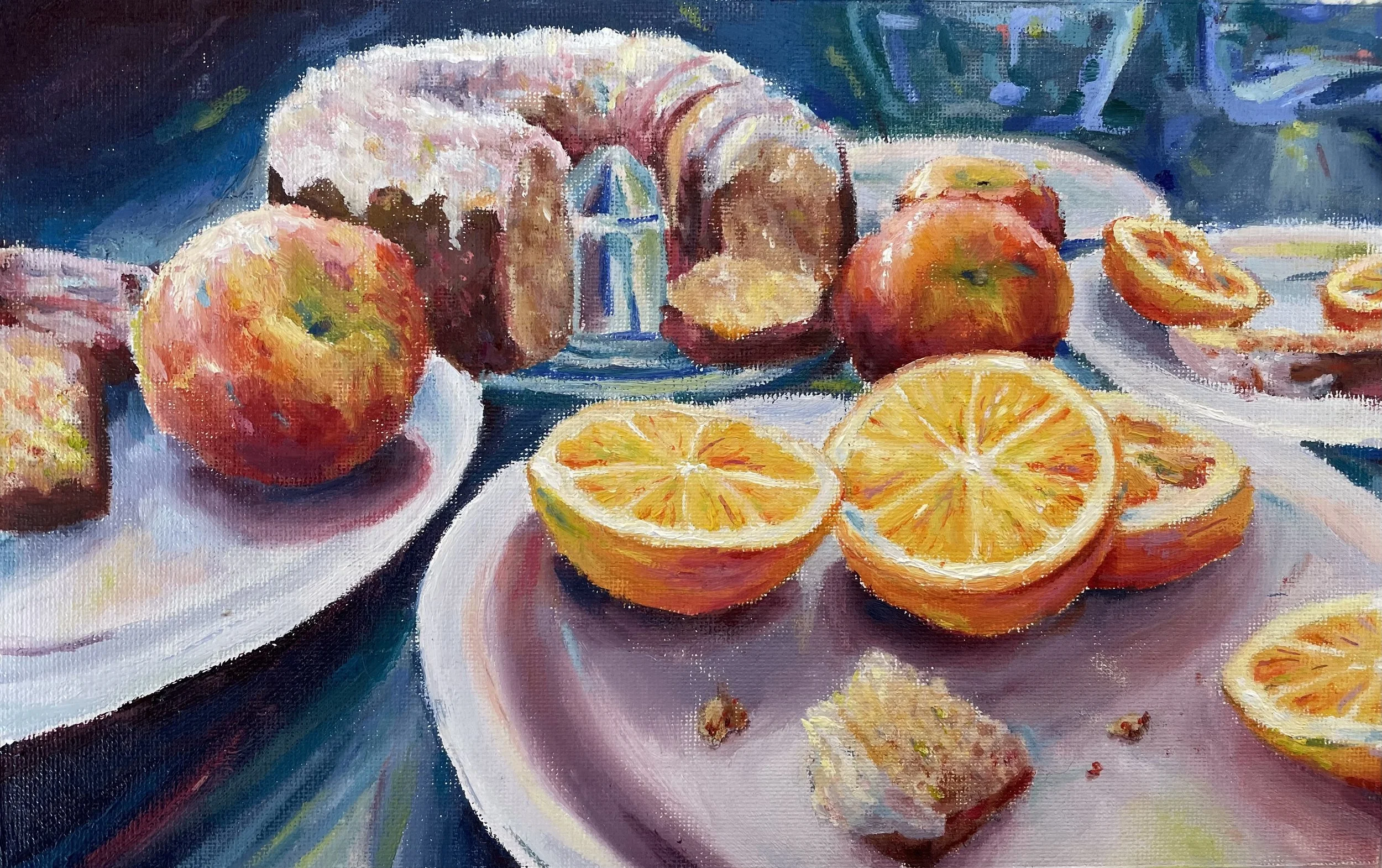
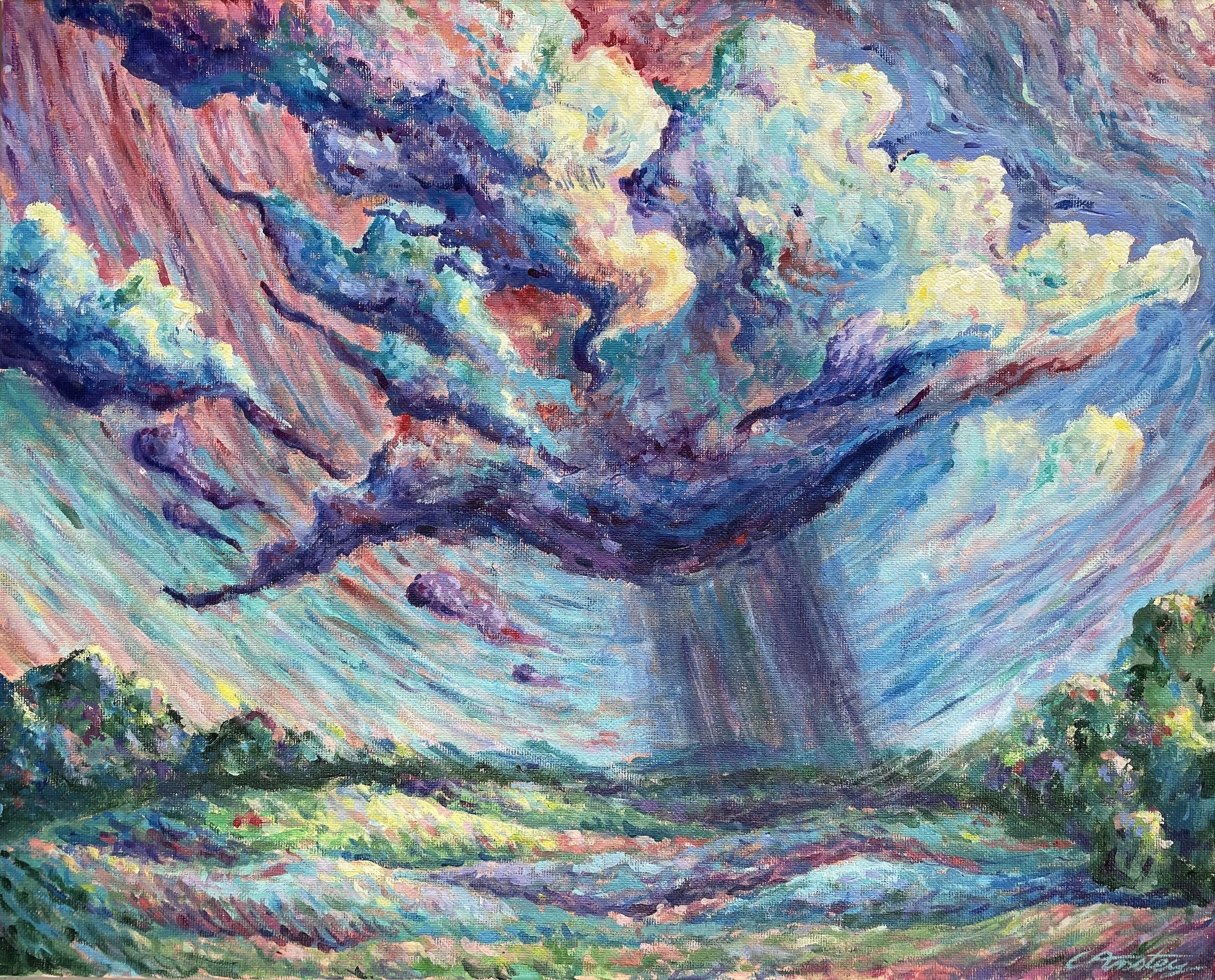
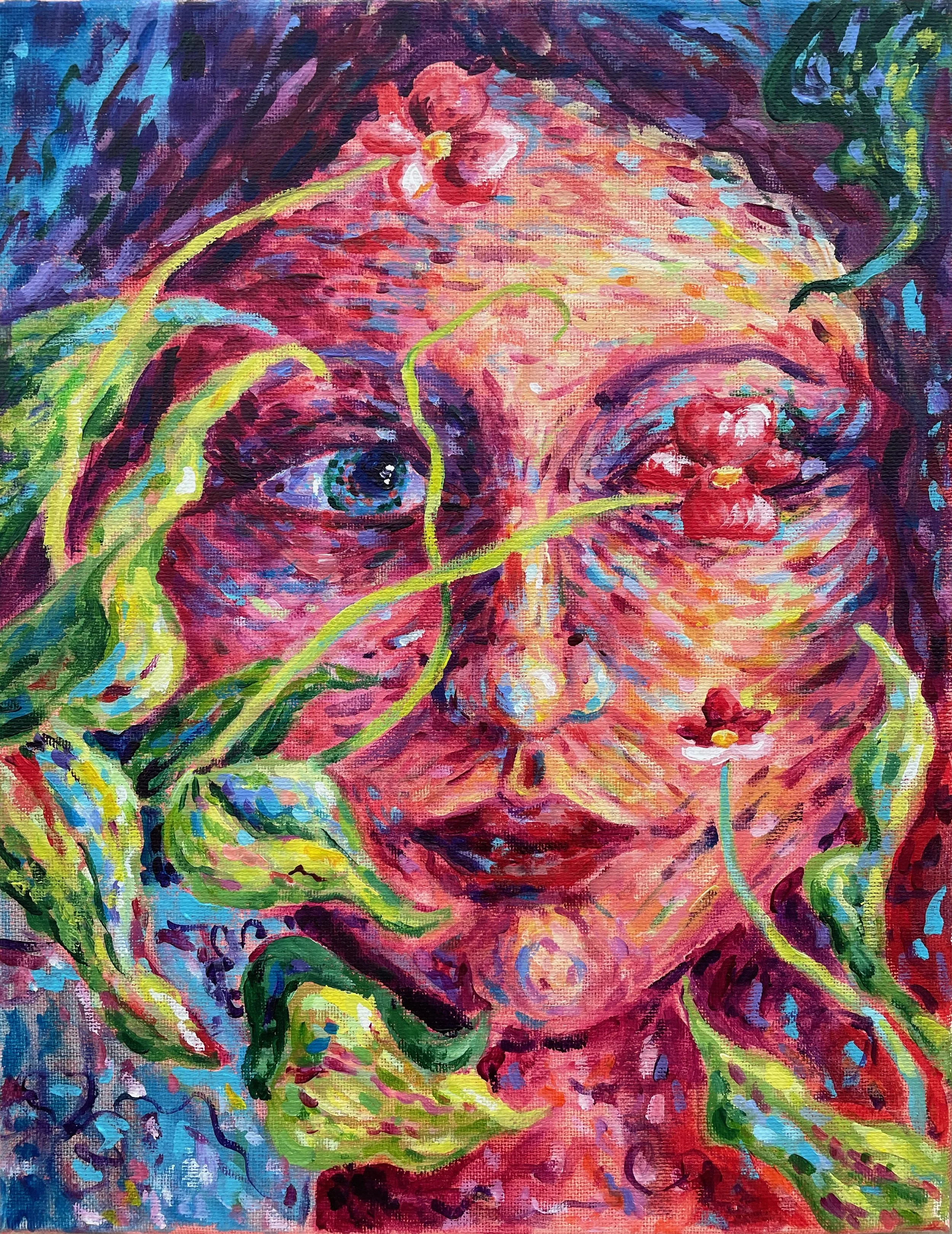
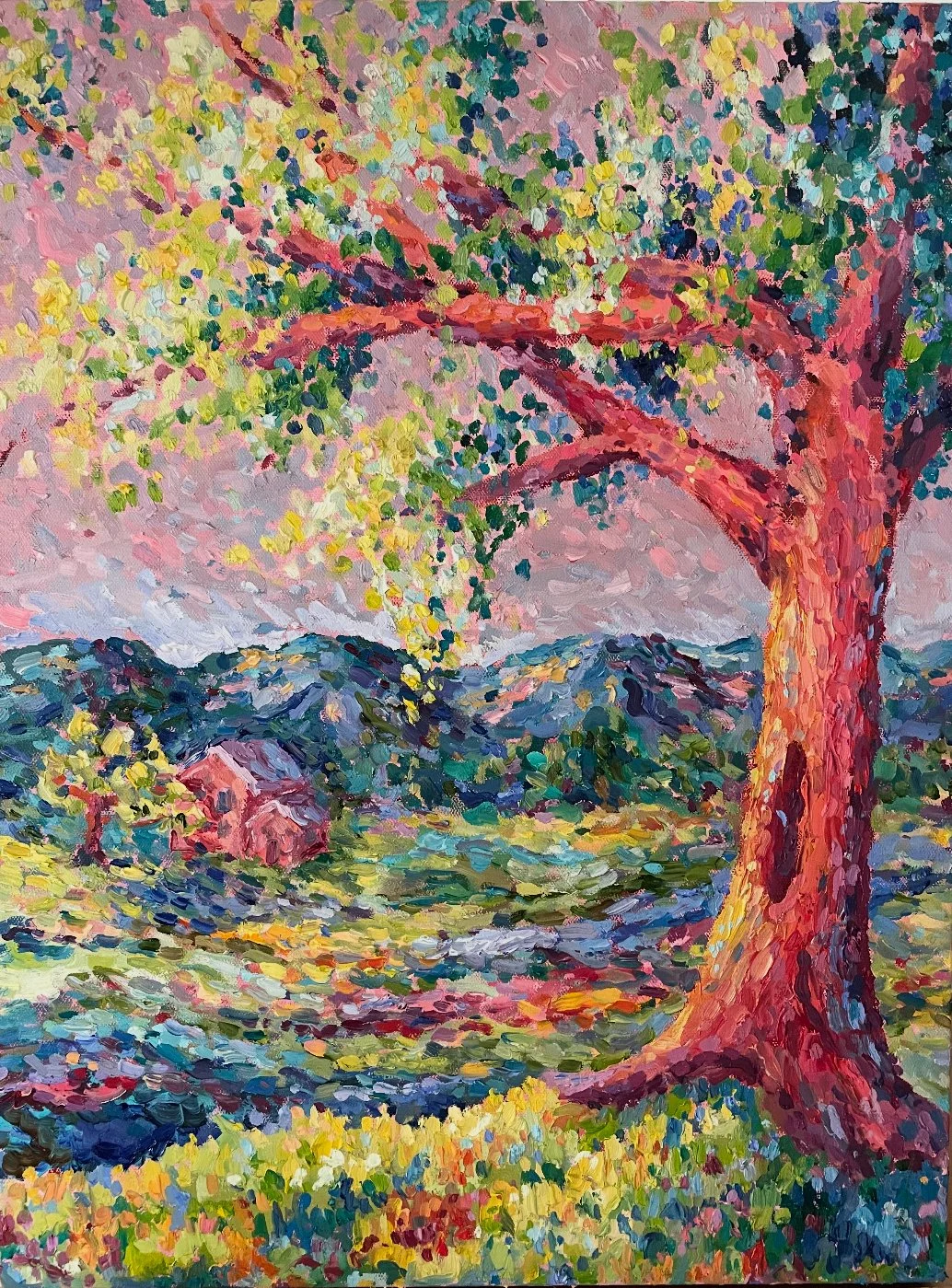
Beautiful Things, Honorable Mention Portfolio, Charlotte Anstey, Patrick Henry High School
Artist Statement
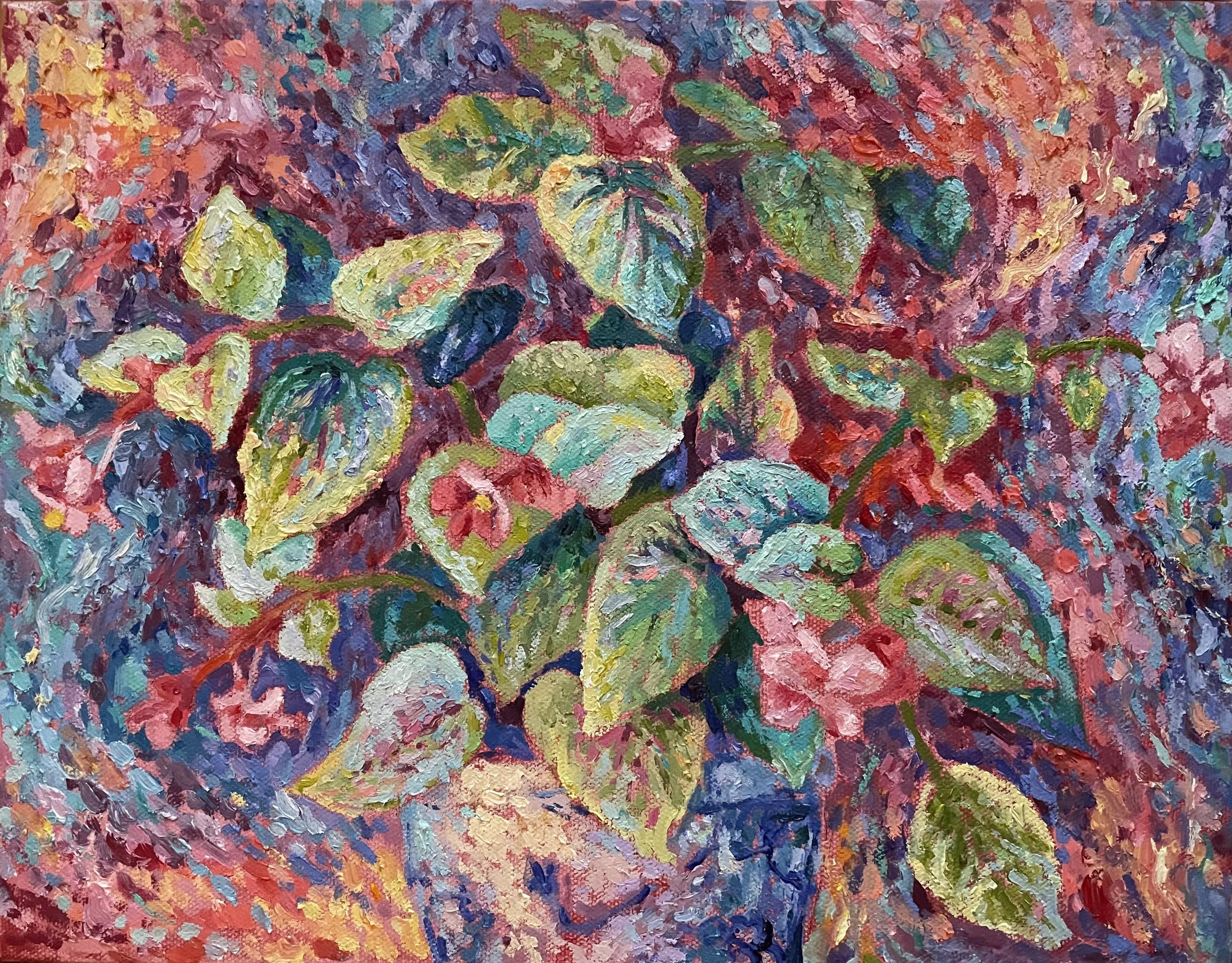
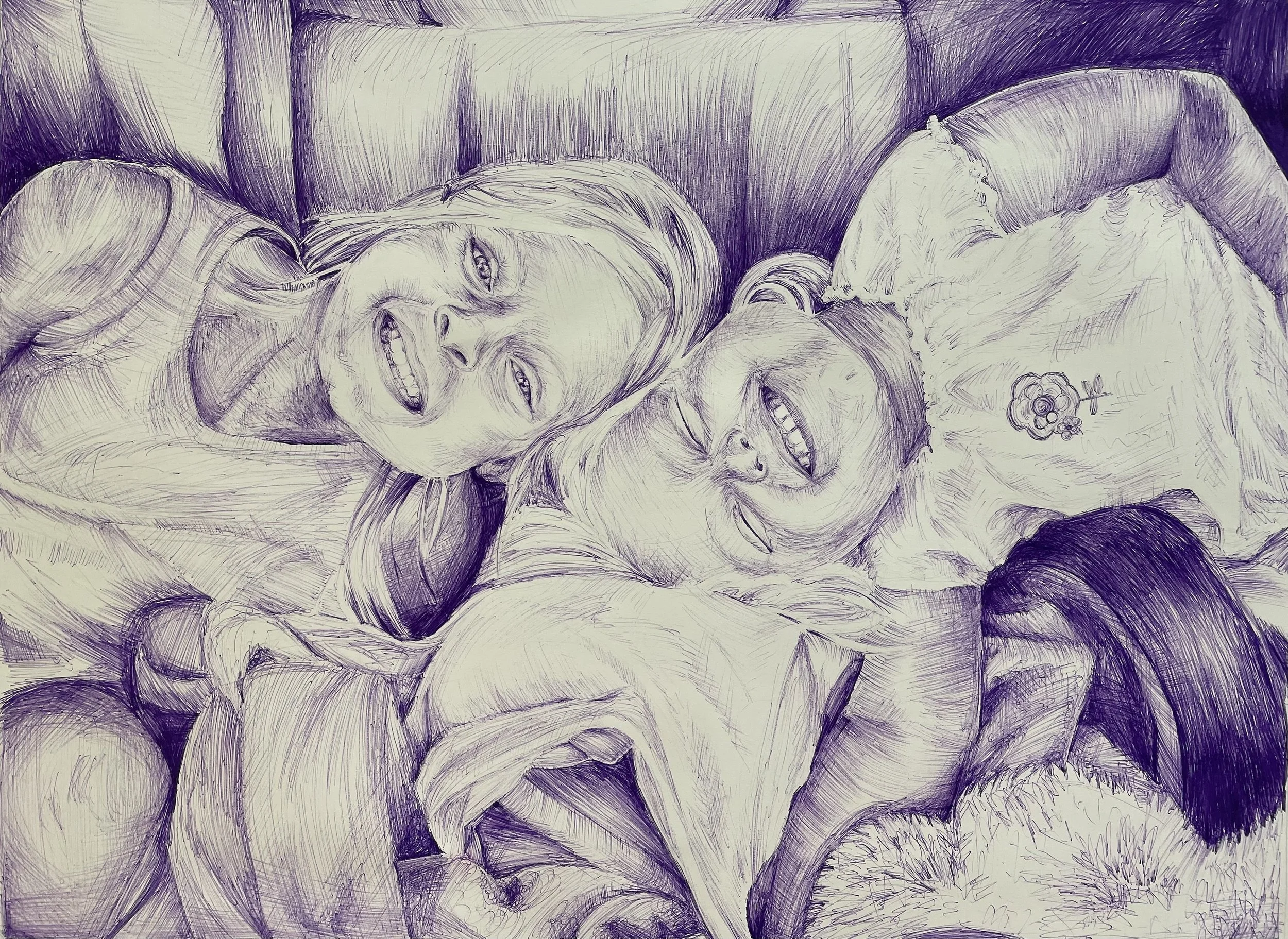
The goal of this portfolio was to preserve and express beauty. Beauty encompasses different things in this collection of works, including nature, happy moments, simple pieces of fruit, and emotions. The colorful pieces are meant to evolve a sense of joy and wonder. Additionally, this portfolio explores the use of visible mark making. In the paintings, oil and acrylic paint were used in visible brush strokes, with minimal mixing and blending amongst brushstrokes, in order to express the energy and feeling of the beauty being captured. Bright colors were used to create a joyous and whimsical mood. I hope that people will feel happy when they look at the artwork.
Personal Statement
Ever since I was young, I have always loved art, especially painting. My favorite part of making art is finally seeing when a piece comes together. I like to use a lot of bright colors, because I want people to see my colorful work and feel happy, and inspired to create as well. The Impressionists are my favorite artists, and I was greatly inspired by their texture, brushstrokes, and colors when creating the pieces in this portfolio. The goal of my artwork is to capture beautiful things, whether these things are nature, special moments, or the emotions you feel because of these things.
Through the Stages, Honorable Mention Portfolio, Savannah Brooks, North Cross School
Artist Statement
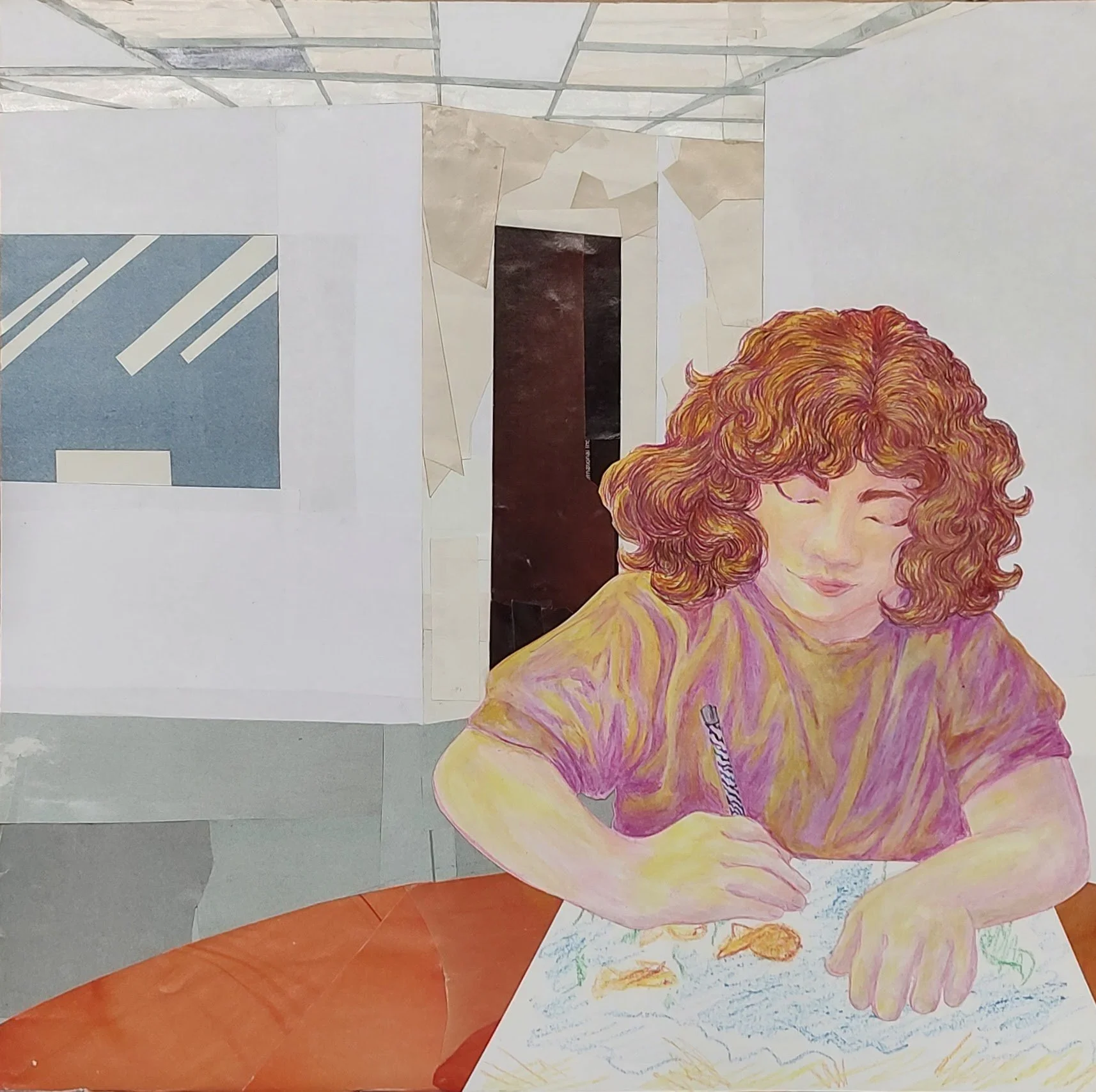
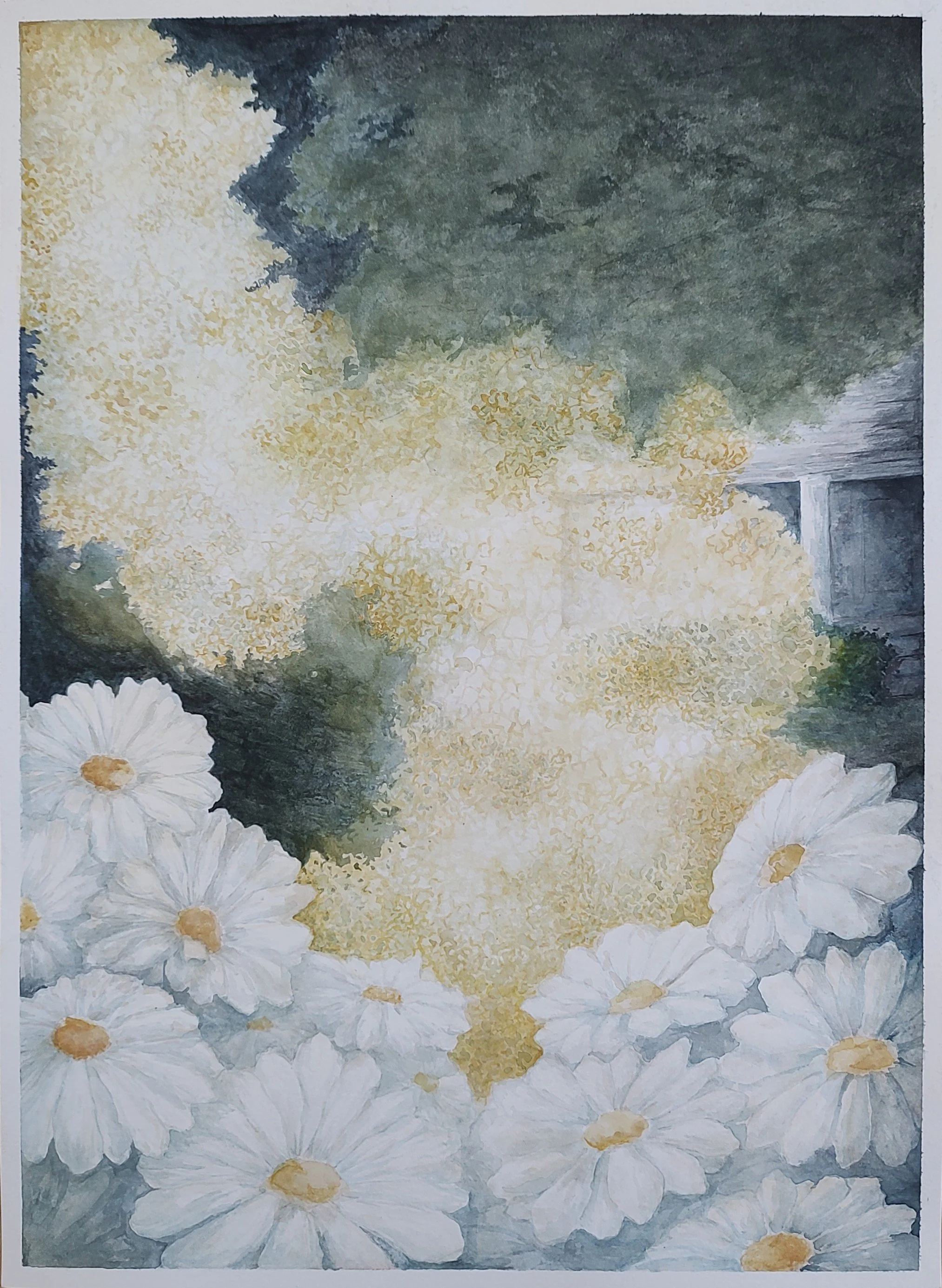
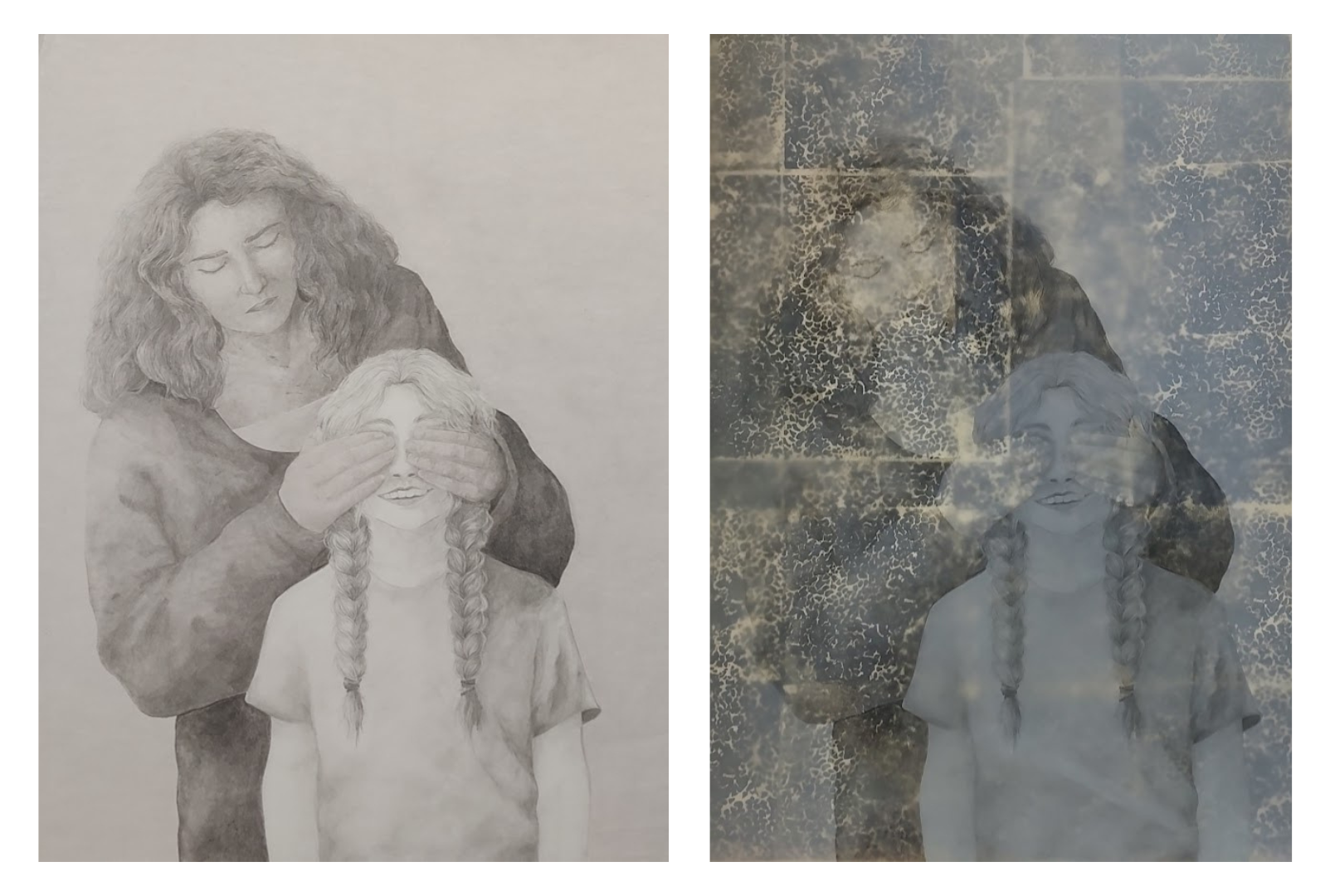
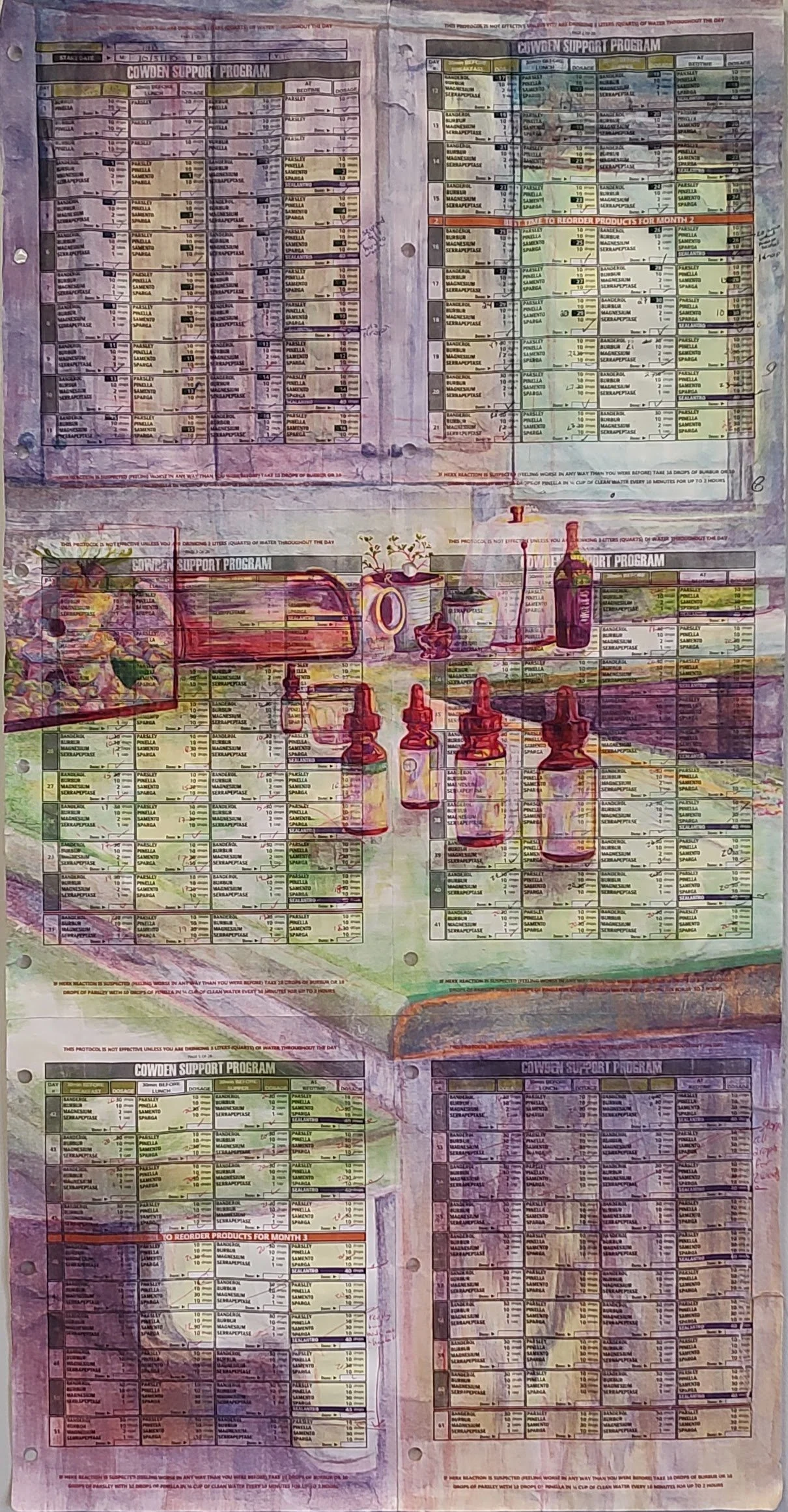
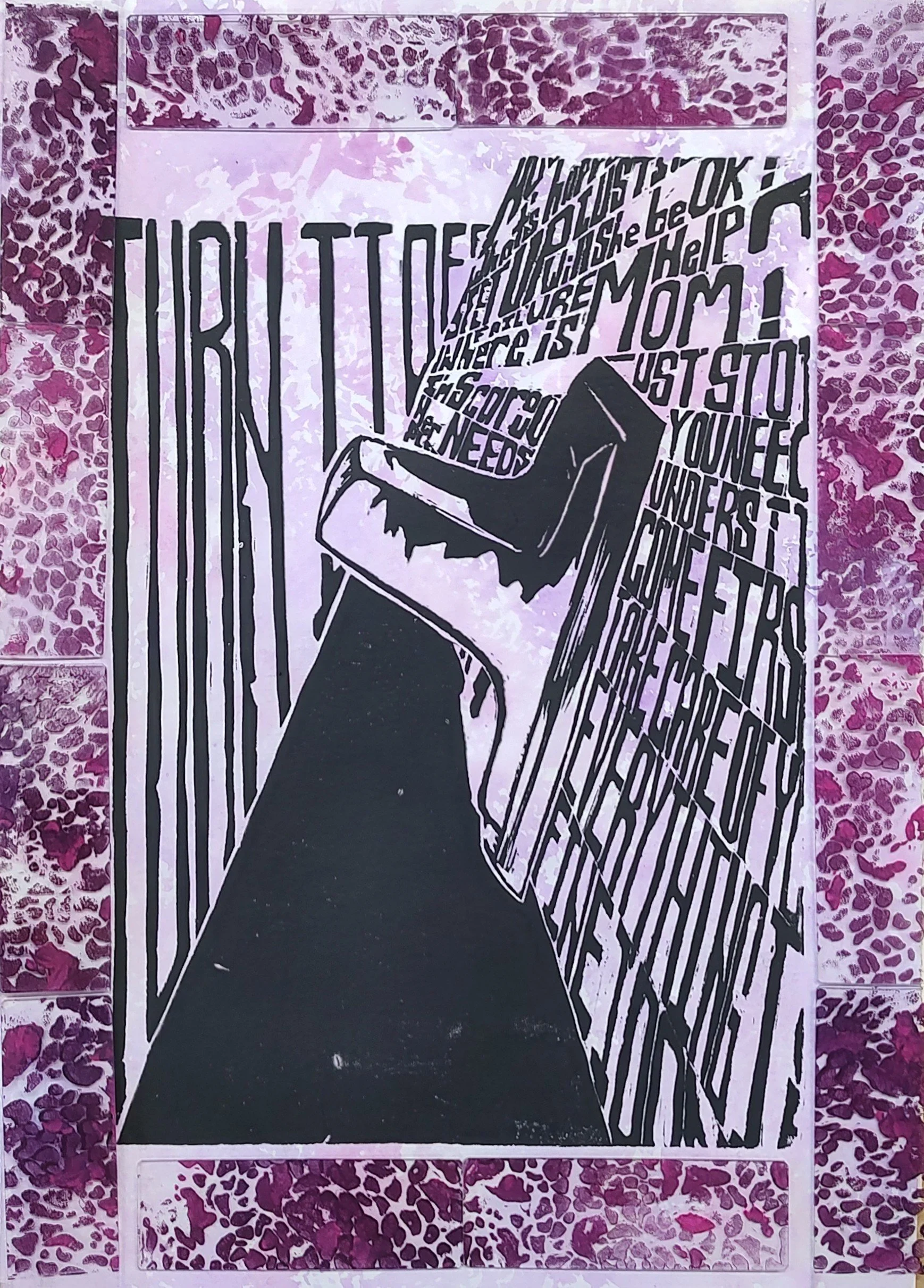
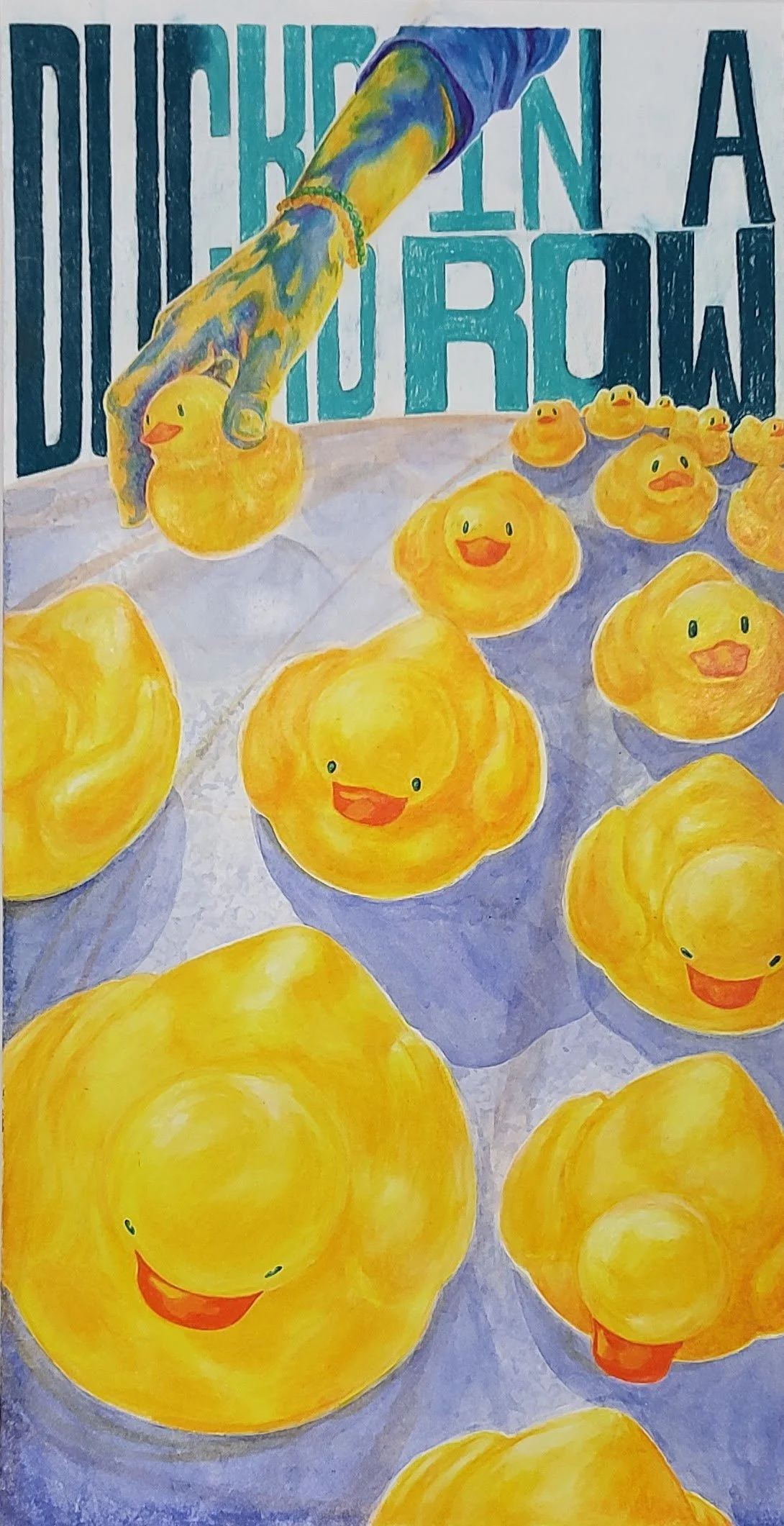
This collection of work was made as an exploration of my experience of growing up with members of my family experiencing cancer. In this, my goal was to both work through my personal experiences as well as, see if I could make a series of work that presented a heavy topic to a larger audience in an approachable way in order to extend that connection to the viewer. I began by condensing my experience into key ideas and instances from my childhood in order to create a narrative through the pieces, intentionally choosing the materials and weaving them into the overarching theme. As a result, watercolor and colored pencils took on a special place in my work. The watercolor became a way for me to symbolize cancer. It can be destructive on paper that is not meant for it and the more water you add the further the paint will spread. This allowed me to mirror cancer the process of painting as the more watercolor I used on printer paper, like the treatment plan. The more it was torn, the more it became a physical representation for the cancer cells, which have higher concentration of water, impact as it spread further through my mom’s body and its seen and unseen impacts through my family. With watercolor becoming the embodiment of cancer due to the concentration of water the medium requires, colored pencils became their antithesis as the wax within the colored pencil repels the water. They came to represent the cancer treatments and parts of my life that were untouched by cancer, both from my ignorance as a child early on and later as I held onto normalcy in parts of my life that I could control. Additionally the use of acrylic vs oil print ink mirrors this as the acrylic is water-soluble, and is used when printing the cancer cell motif. However, the oil ink is water repellent and in Turn It Off represents my attempts to push the thought of cancer (represented by the watercolor background) from my mind. In this process of printmaking and layering for these pieces I was also able to convey my message. The repeated block print depicts cancer and the way it is printed to make larger images mimics the way cancer cells replicate themselves as tumors grow in size. The layering or lack of layering throughout the portfolio is meant to illustrate me in reflection of my childhood in the present peeling back the layers, and many different impacts of my mother’s cancer on my family that were beyond my comprehension at the time. So in some places they obscure parts of the piece from the viewer's view, in some they are absent or separate to aspects of the scene to show my ignorance, and in others they come together to create a cohesive image.
Personal Statement
For much of my life I have felt like a weed, happening to be fortunate enough to grow in a flowerbox, unwanted but not worth the trouble of removal. Particularly, in fourth-grade I realized something was different about the way I was perceived, and in turn how I perceived the world. Surrounded by peers who lived in Roanoke, I noticed the thirty-minute commute to school uprooted me from the community I lived in, one that many of my peers didn’t value or understand. Thirty-minutes from school there was no internet, and with farm chores awaiting me at home, there was little time for afterschool activities. At first the difference was small however, the difference grew as teachers assumed that everyone could access weekly assignments online alongside additional learning platforms. I watched as my peers bloomed, and became a community around me, without me. I felt as if there was an inherent divide between myself and others. This divide grew with my mother’s cancer diagnosis in 2017. The following years, I looked at my classmates; it felt as if everyone was flowering and branching into the world around them whereas my world became smaller, condensing into one central stem, like a dandelion. However, it was this very condensing that would give me the foundation to root myself deeply in my own interests and identity, as more than a weed. Because my family lived away from extended family and friends, my routine became going to school, and taking on farm responsibilities. The combination of my mother’s declining health and growing medical bills resulted in my father working more. I spent more time helping. I became independent, developing a work ethic and skill for teaching myself what I could in an effort to sustain a sense of normalcy. I discovered my passions. In the absence of internet, I spent a majority of my time outside developing a love for the natural world that surrounded me in rural Virginia. Those years rooted me in a way that is hard to explain to my peers but allowed me to find my identity and voice. With that foundation I blossomed, allowing the winds to take me on a new adventure. Upon entering high school, with internet access thanks to COVID highlighting the discrepancy of rural America for basic items like internet, I found different art competitions. My art became an outlet for advocacy as I worked to raise awareness on food insecurity, endangered species, and sharing my experience growing up surrounded by illness. I found myself through art, and now I finally see that my early life of feeling isolated and torn between judging myself as a weed or flower was a gift. I can let those labels go and allow myself to fly on the wind like a dandelion seed, excited to pursue art and discover what more I can create.
Jill’s Portfolio, Honorable Mention Portfolio, Emily Paul, Patrick Henry High School
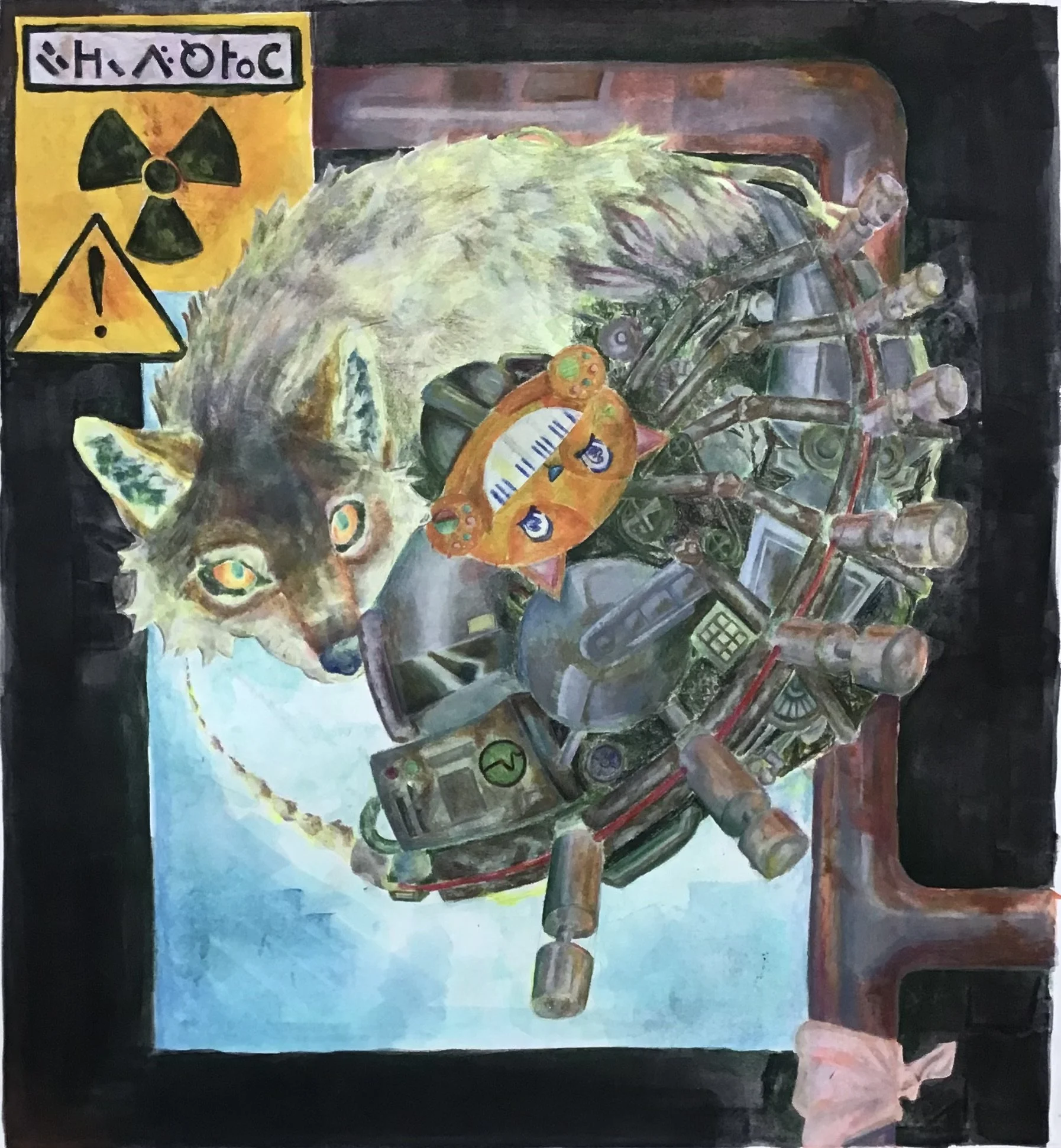
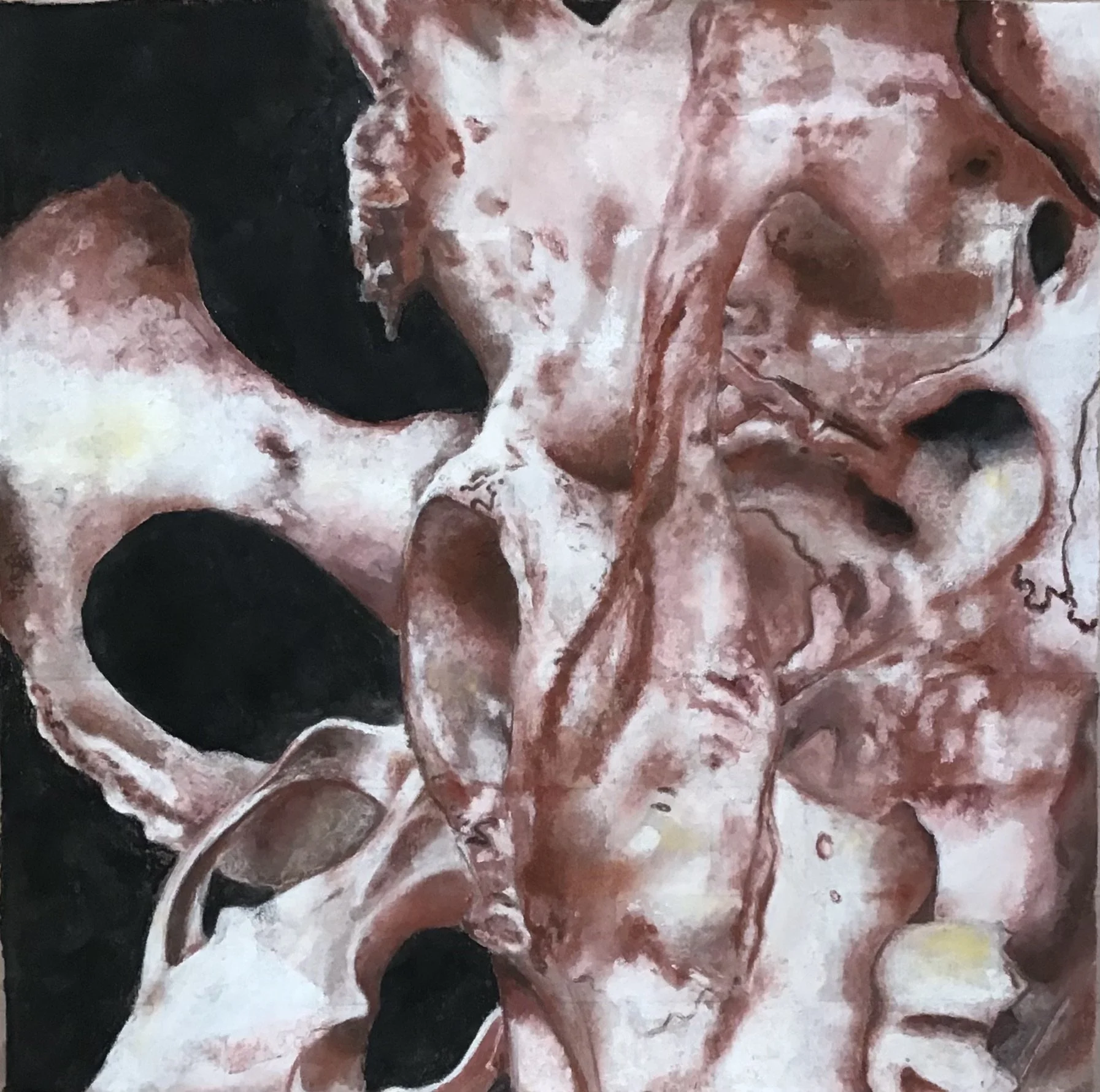
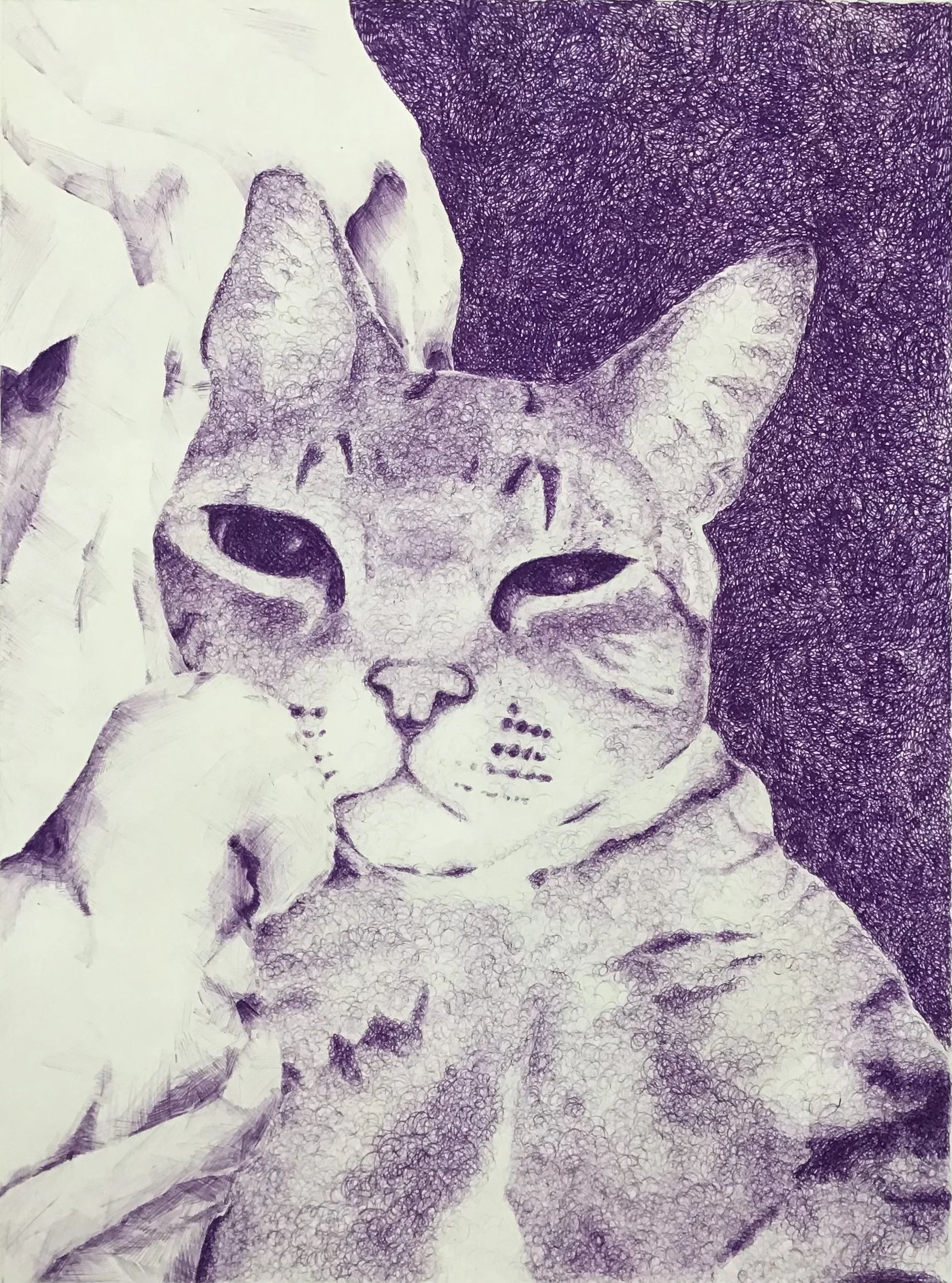
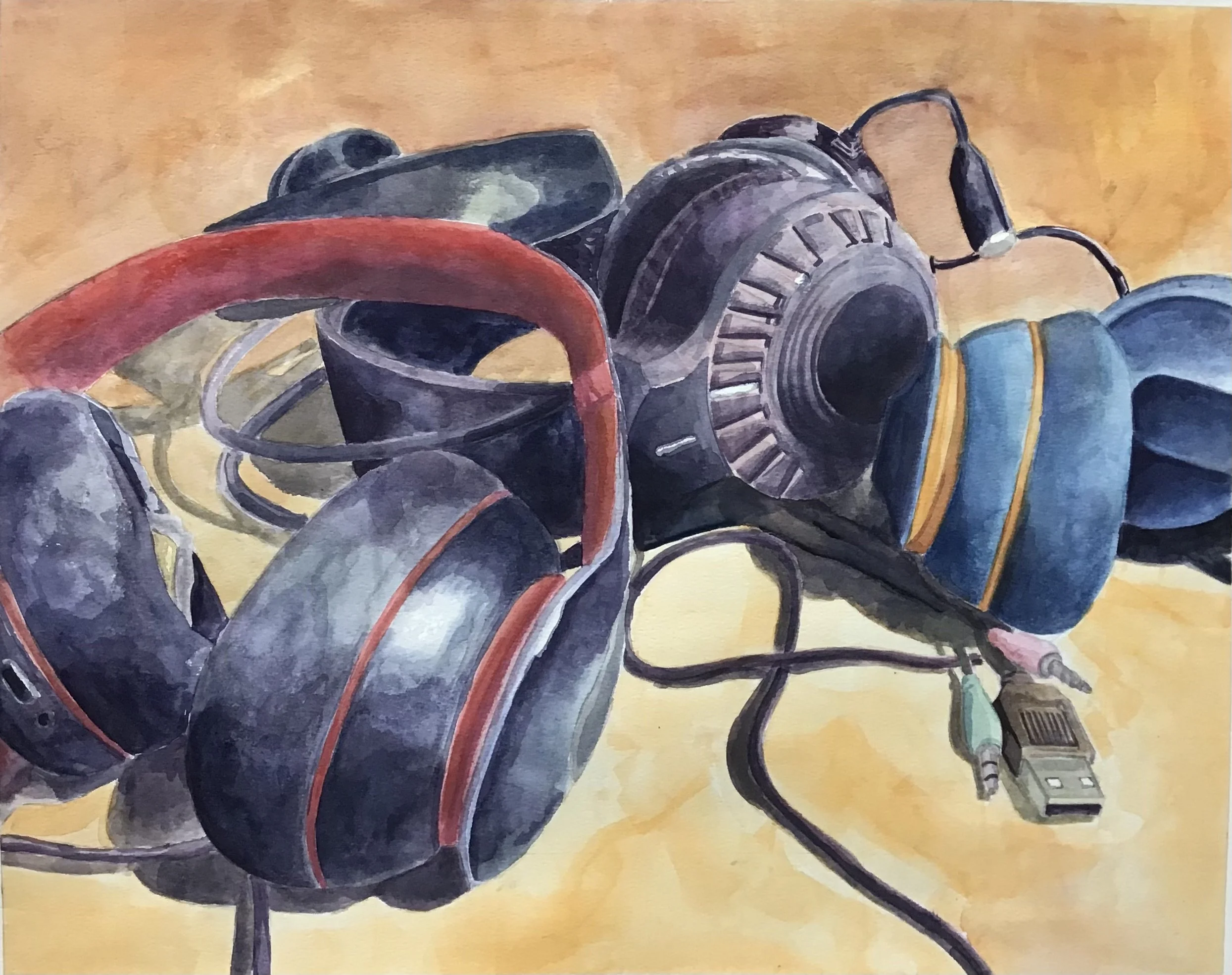
Artist Statement
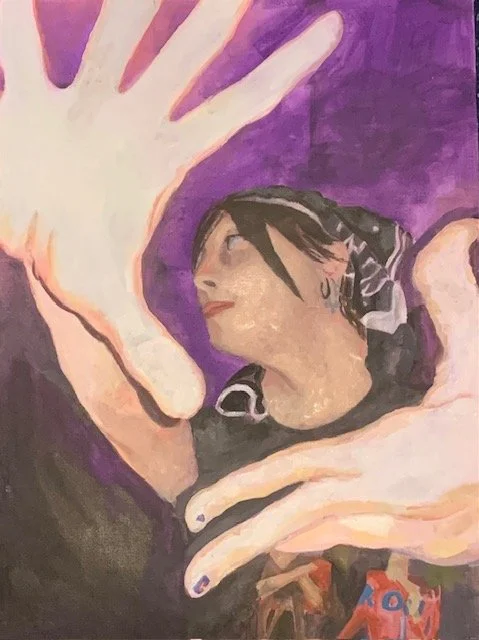
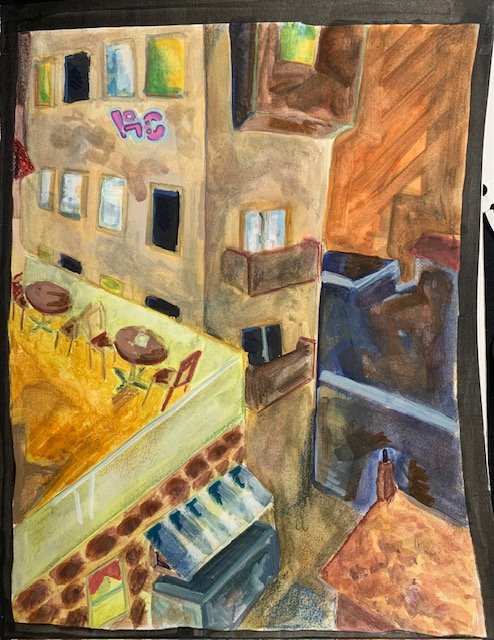
The subject matter of the works that I create tend to involve animals, technology, or both. My materials are bold and are meant to make the colors and scenes pop out of the paper and grab the viewers attention. I tend to use neon colors in the first layer to make the true colors look extremely vibrant and lively. My works are often done with markers and paint (acrylic and gouache), when I use other materials they are often utilized to create an even stronger contrast. my artwork often includes urban cities and forests as themes or ideas that I build upon.
Personal Statement
when I was in sixth grade, I moved across the state. I struggled a lot in my new school because I didn't know anyone and wasn't used to the structure since my old school only had one teacher. in the same week i moved, covid was formed and started spreading rapidly. The pandemic hit and I stayed in my house for a year while not knowing anyone in the area. When covid was lifted and everyone went to school again I still wasn't used to the way things worked and couldn't socialize properly. I didn't really talk to anyone for a year so I just went to classes and didn't interact much with other students. When I became a freshman, I managed to make friends from classes and started taking extracurriculars. I'm now a much more social person who has an easier time starting conversations with brand new people. That experience helped me learn how to adapt to weird situations and empathize with other people.