
Anatomical Structures Representing Anxiety to Healing, Gold Key Portfolio, Sophie Hufton, Lord Botetourt High School
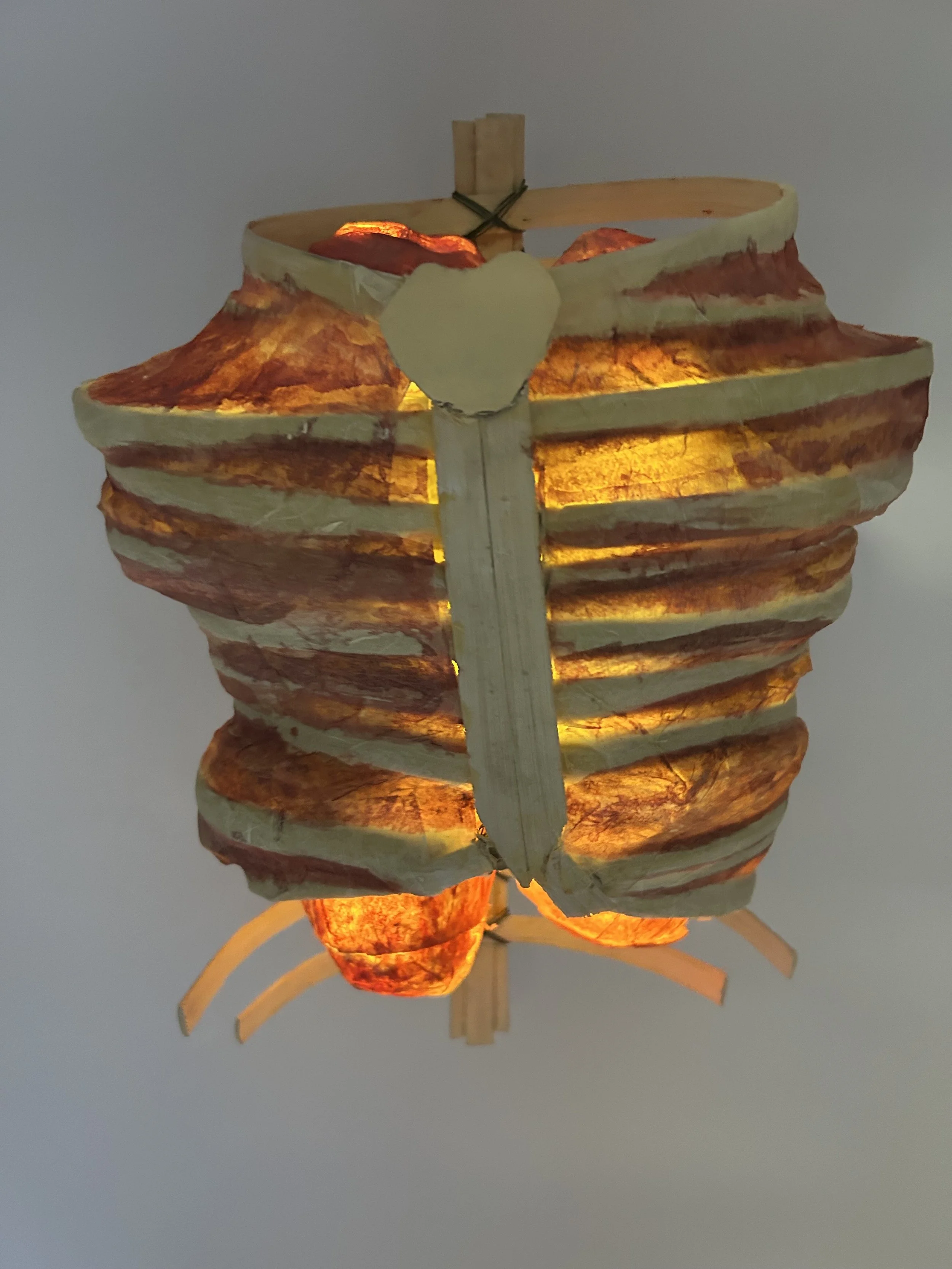
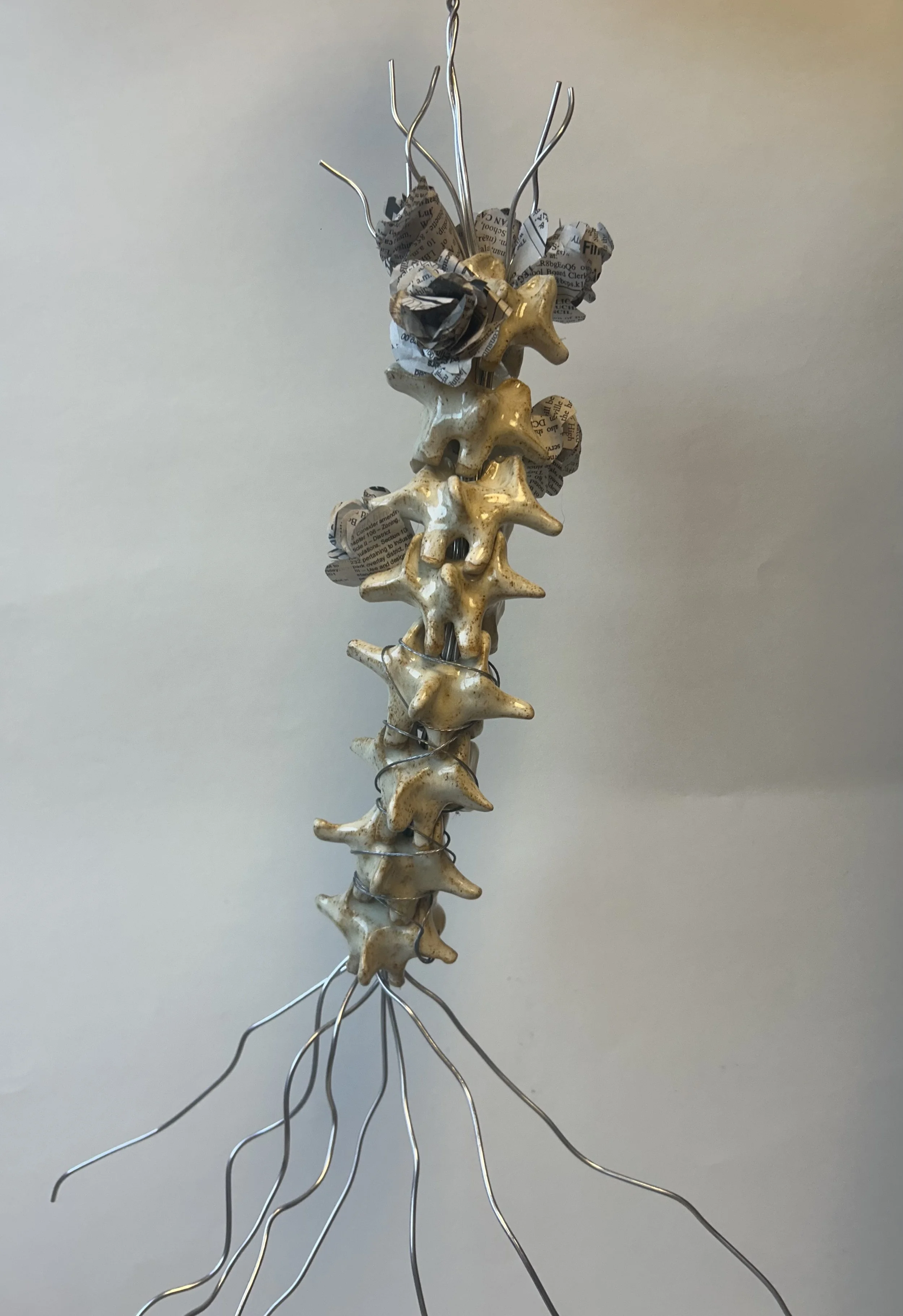
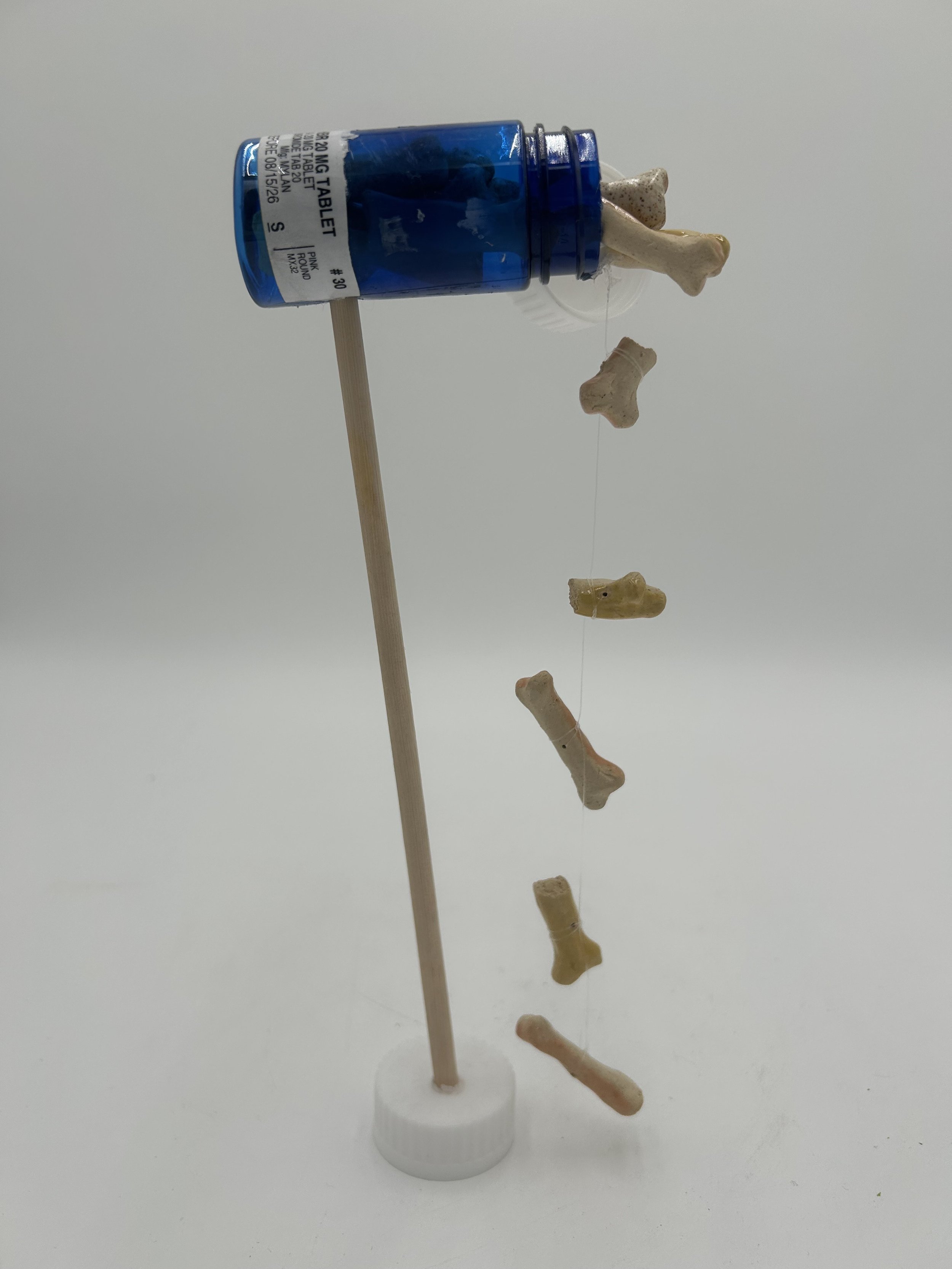
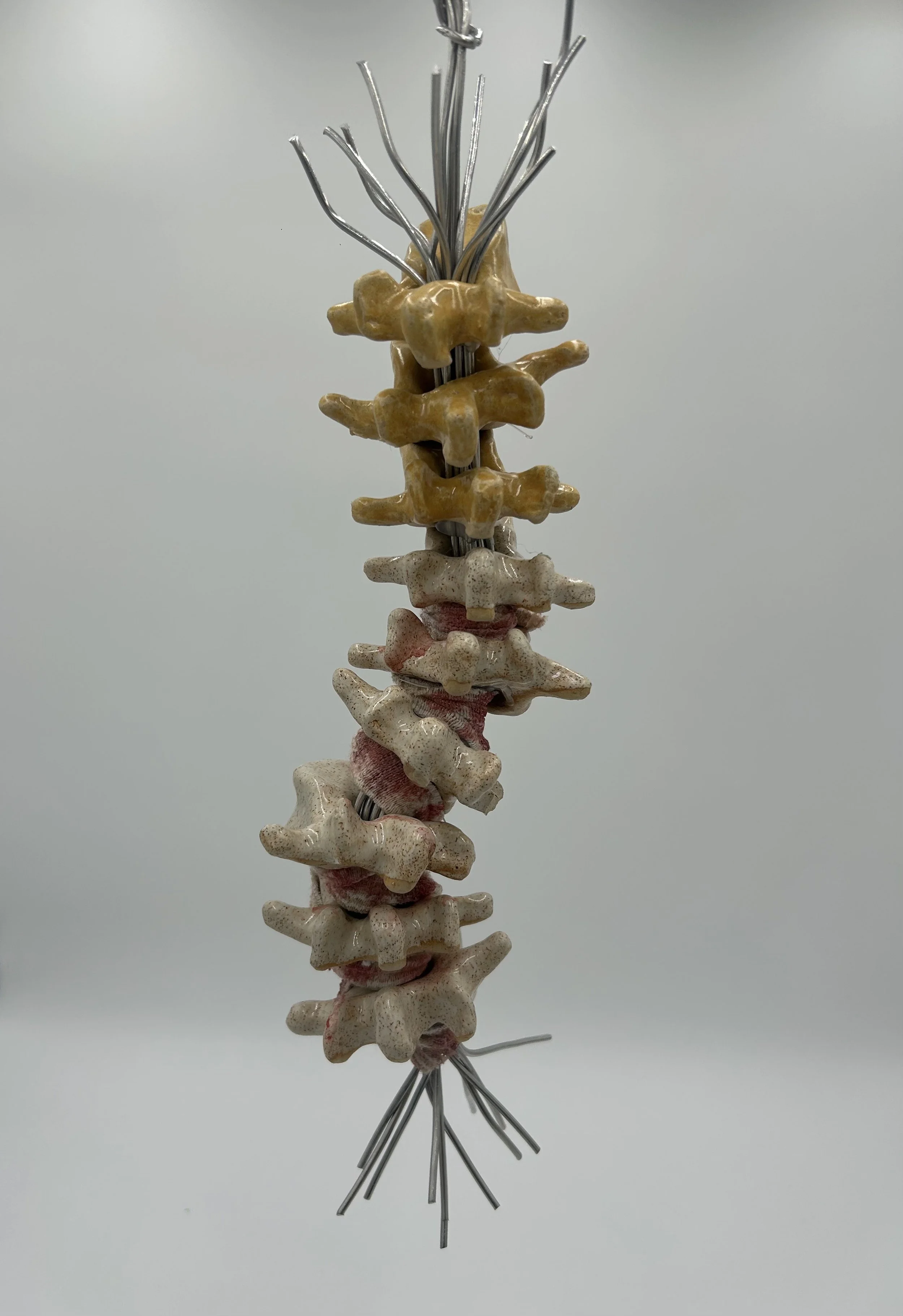
Artist Statement
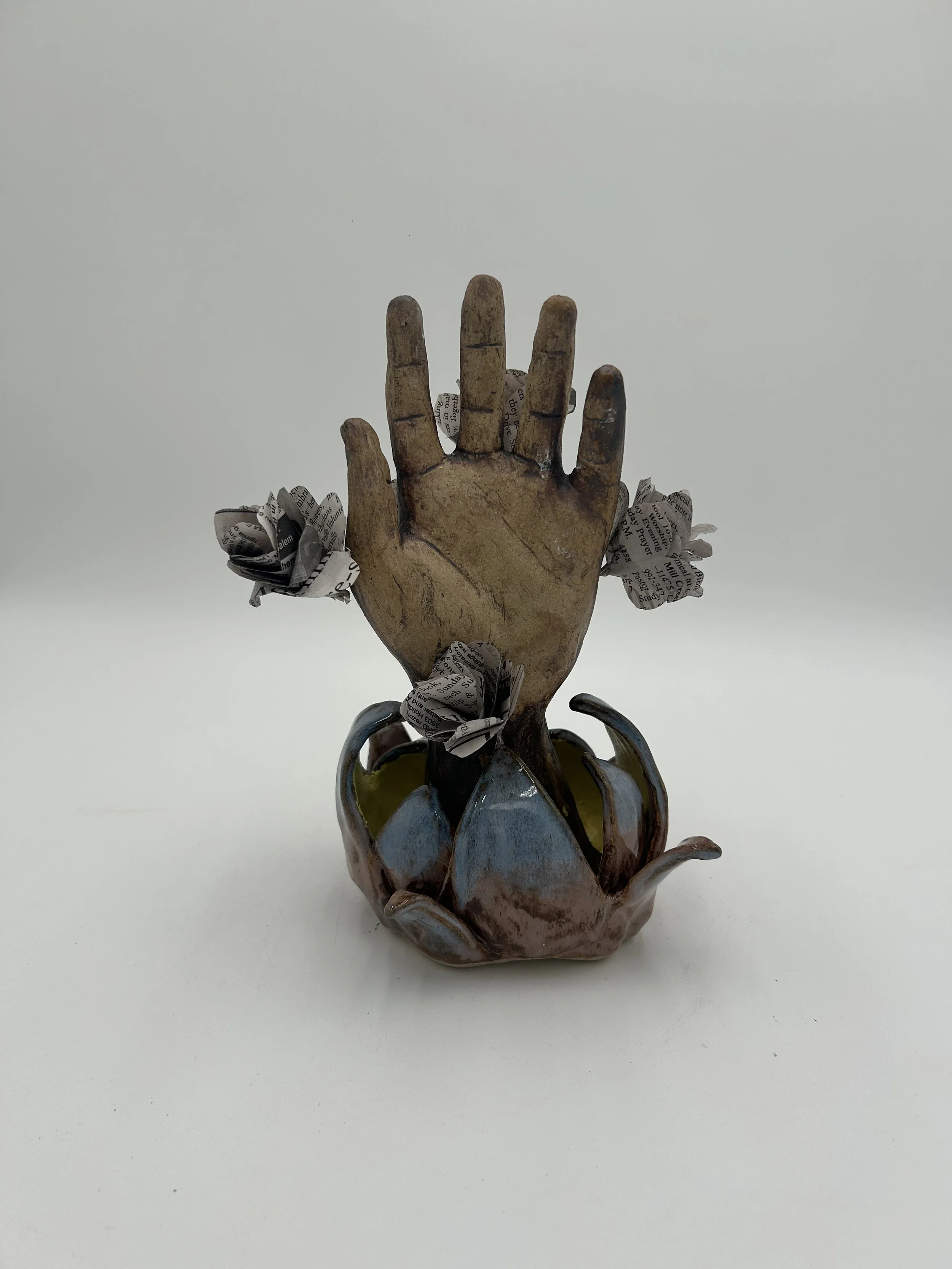
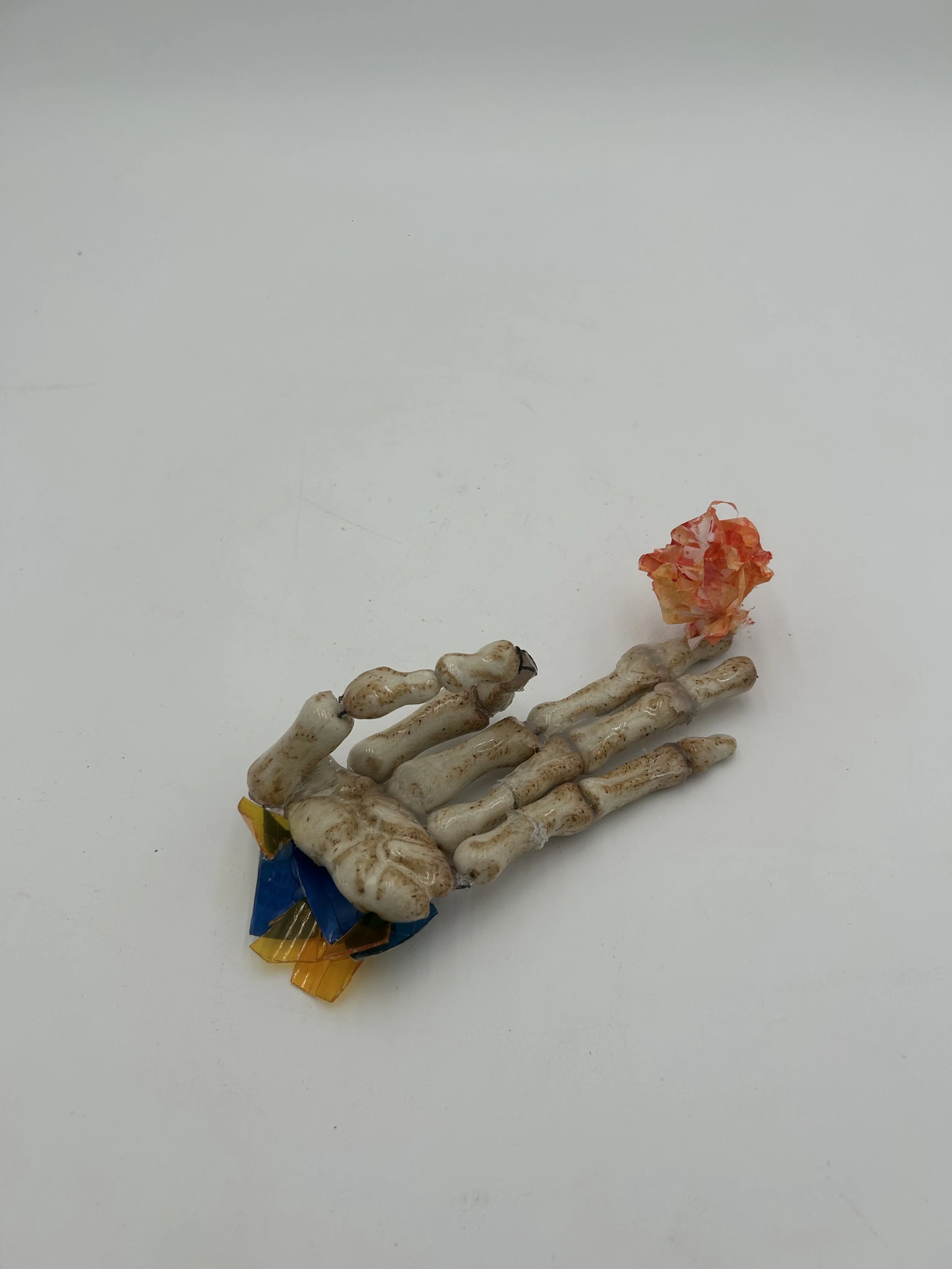
My portfolio is expressed and created by my own emotional experiences and uses of the human body as a visual metaphor for what I have felt internally. Each visual piece intentionally reflects the transition from anxiety to healing by demonstrating how anatomy can communicate my personal psychological change. Distorted, tense anatomical forms explore anxiety, while integrated structures symbolize recovery and healing. I decided to work mostly with clay and experiment with sculpting bones to prove that the human figure and human anatomy are the backbone of representing healing by creating broken pieces. Each piece documents a step in my process, showing how my understanding of both anatomy and myself evolves throughout this portfolio.
Personal Statement
Throughout life, I have always struggled with anxiety. It has always affected my life, but I really started to notice it when my parents separated. During my first year of high school, anxiety started to affect my grades, relationships, and overall well-being. When I got into 10th grade, I realized that my anxiety would not get better until I actually tried to fix it. I started going to therapy, got prescribed the correct medication, and started to fix my relationships with friends and family. People cannot just magically heal from anxiety; it's all about having the correct mindset and motivating yourself to get better.
Moments that Shaped Me, Gold Key Portfolio, Sage Stern, Artriculate
Artist Statement
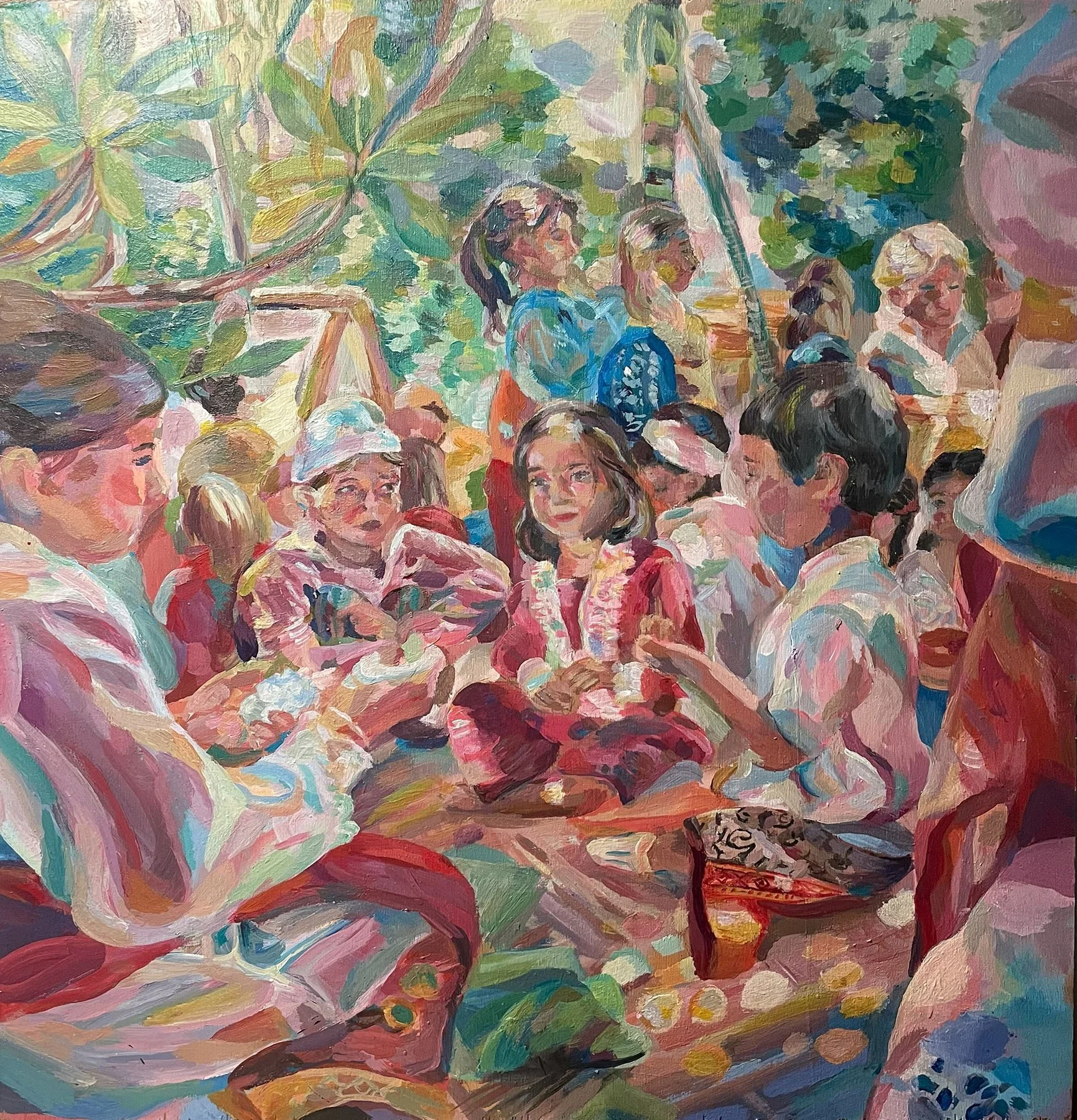
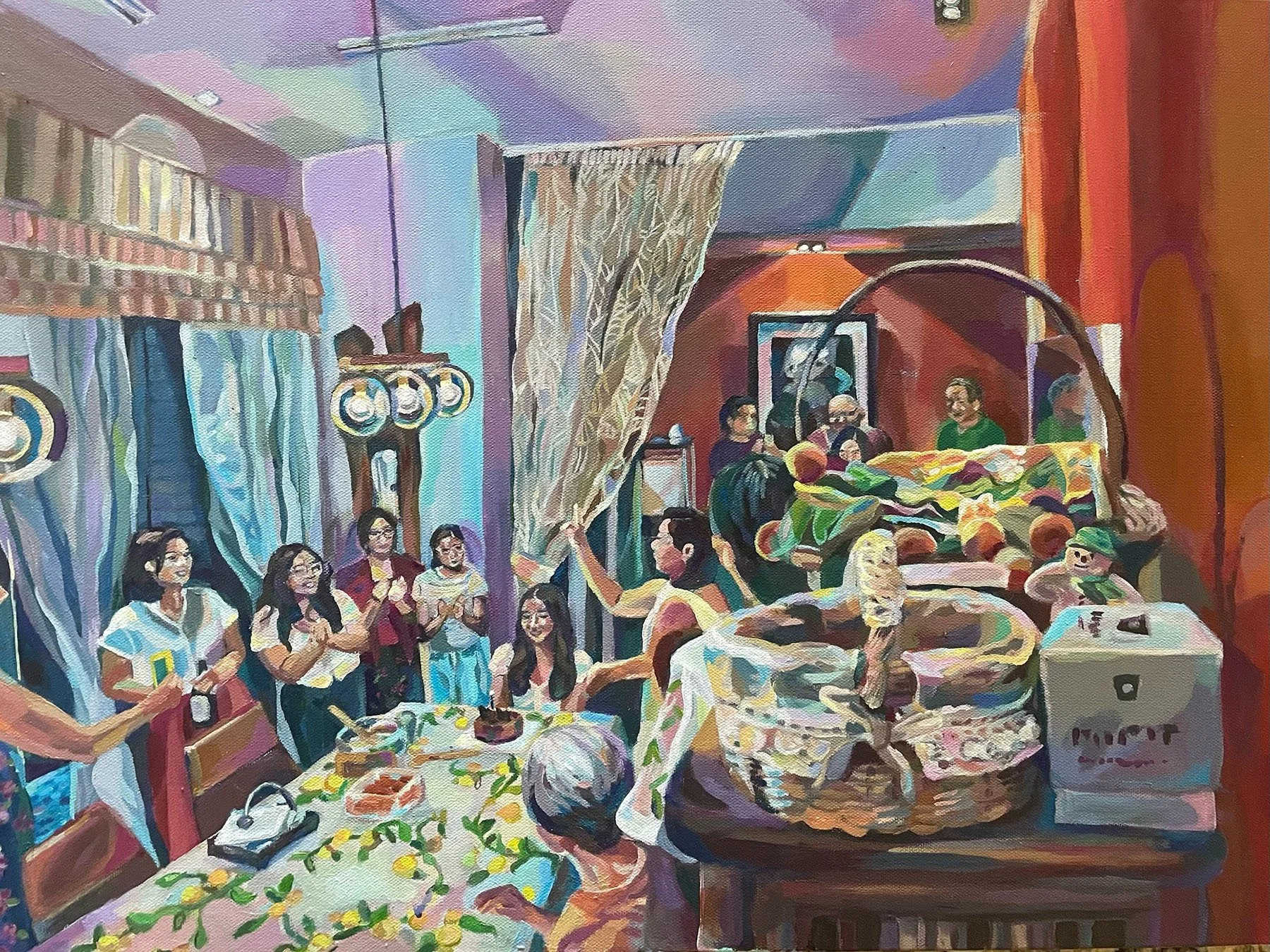
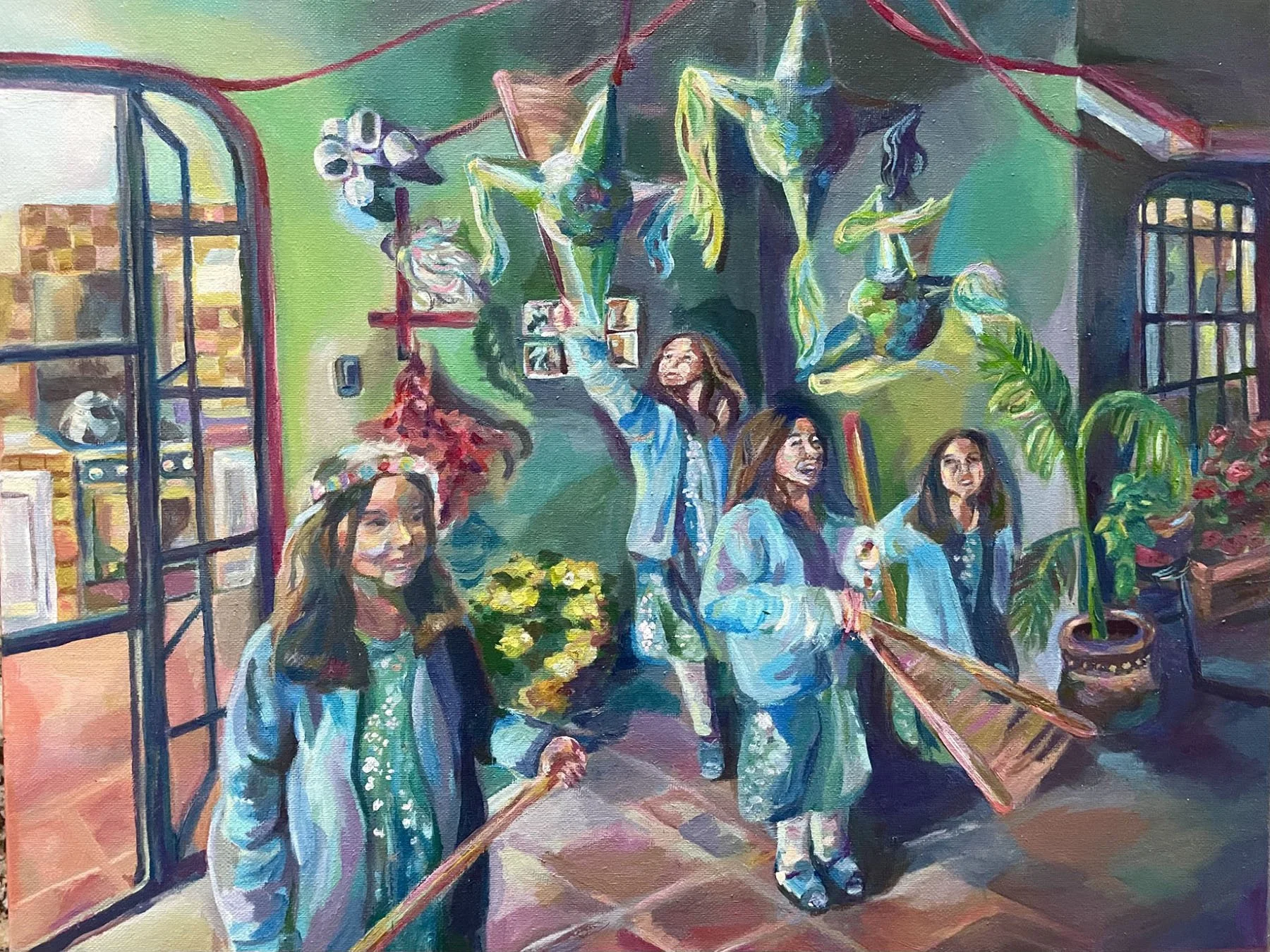
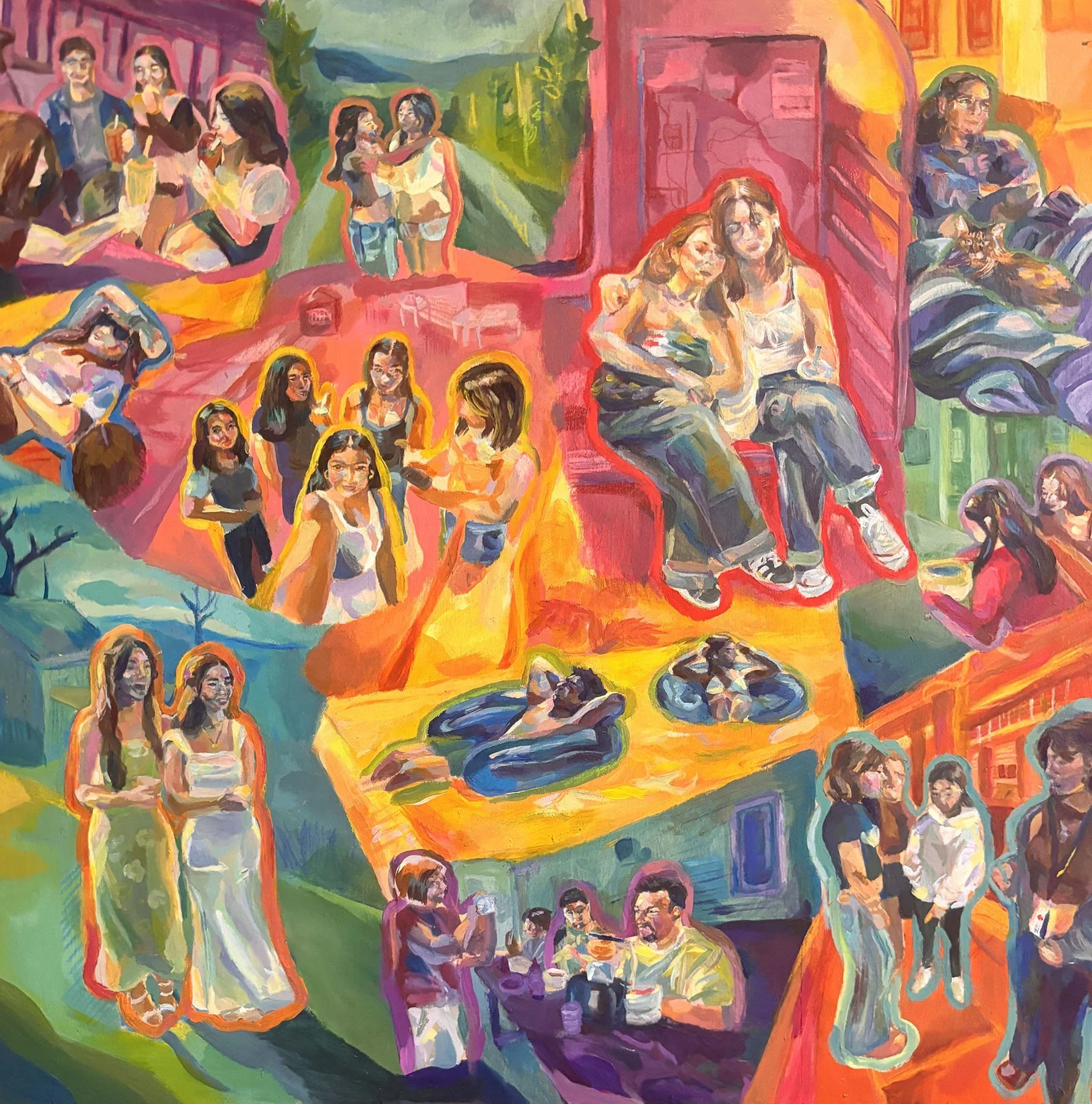
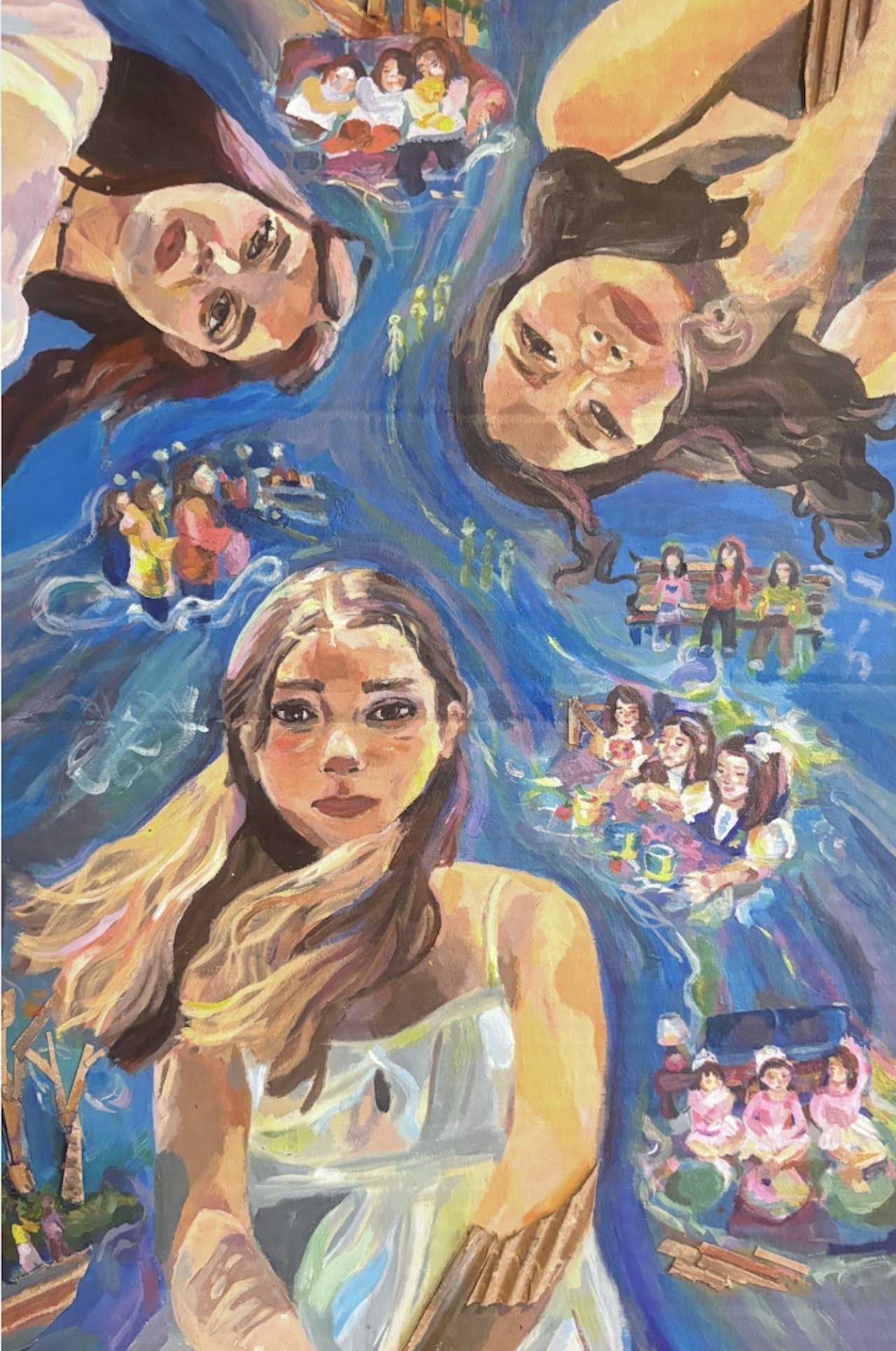
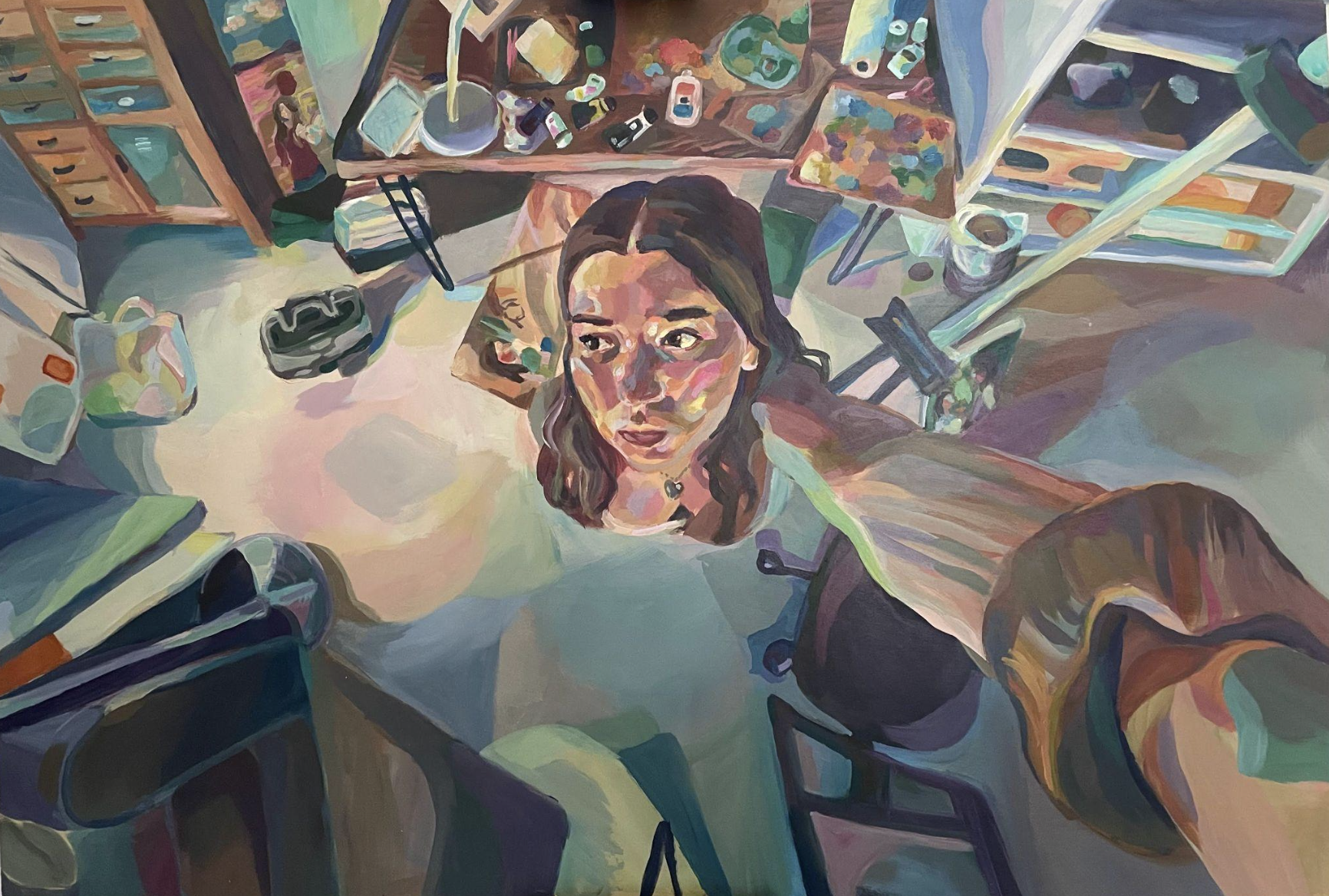
My portfolio centers on identity and how it forms, shifts, and reveals itself through the small, quiet moments of growing up and experience. I curated these works to show the ways cultural background and adolescence overlap, collide, and inform one another. Each piece explores some aspect of what it means to build a sense of self while still learning where you belong. I chose artworks that reflect different layers of identity, personal memories, cultural rituals, family gatherings, and the internal world of a teenager who is constantly observing and interpreting everything around them. Some pieces focus on the tension between how someone feels and how they are perceived. Others explore the comfort of familiar traditions or the uncertainty of not fitting neatly into one category. My decisions about materials were both practical and intentional. I worked primarily with pencil, acrylic, oil, cardboard, canvas, and wood because they were the most accessible to me. My material limitations pushed me to develop a strong sense of color choice, mixing, and mood. I mixed all my paint colors from basic primaries, which allows me to create complex, expressive tones that capture emotional nuance, warm light casting unexpected shadows, or cool tones layered to show interest. My artistic process is intuitive and memory-driven. I often start with old photos or moments I’ve held onto from childhood. As I work, my pieces move beyond representation and into emotional interpretation. Something that begins as a simple scene, like a family meal or a portrait, often becomes an exploration of belonging, cultural connection, or the way teenage life can make someone feel both grounded and unsettled at the same time. For example, my painting, Malaysian Family Potluck, started as a celebration of family and food but eventually became an emotional exploration of my cultural identity and sense of belonging. I don’t look visibly Asian and grew up far from extended family, this piece allowed me to embrace and celebrate my multicultural background through the rare opportunity to celebrate my birthday with my cousins and aunties. The portfolio as a whole is meant to show identity not as a fixed image, but as something continually shaped by culture, relationships, and the process of growing up.
Personal Statement
Some people see a blank wall and think nothing of it. I saw one and burst into tears. When I was five, my family moved halfway across the world to Bali, Indonesia. After the long journey, I was carried toward our new home in my dad’s arms, half asleep. Through my haze, the first thing I noticed was a lush tropical garden filled with exotic plants and the scent of jasmine. A small spark of hope lit up. Maybe moving here wouldn’t be so bad. That hope faded the moment we stepped inside. The house was silent and sterile, surrounded by blank white walls. No color. No photos. No warmth. This was not home; there was no soul. Determined to find light, I dug through our suitcases and found my markers and a blank sheet of paper. That spark reignited. Over the next months, the walls filled with drawings inspired by Bali’s landscapes and culture. I sketched flowing dresses from traditional ceremonies and imagined fantastical Balinese mermaids dancing in the sea. I drew from the ornate daily offerings and the care the Balinese people poured into everything they did. The more I created, the more I grew to love the place I had once feared. What began as a blank sheet of paper became the start of a lifelong relationship with creativity and curiosity. In third grade, it happened again; this time in Mexico. A new language. A new culture. Shy and unsure how to connect, I began observing. I noticed the town’s murals, brightly painted homes, and flower-filled courtyards. Creative expression was everywhere, from parades to feathered headpieces and giant papier-mâché puppets. Art wasn’t just decorative; it carried emotion, culture, and community. Before I had the words, I had art. Through curiosity, listening, and creating alongside others, I found connection. When we moved back to Virginia, I thought I was done with blank walls. I wasn’t. My high school had potential, but creatively it felt empty. I earned good grades, yet core classes rarely inspired me. Art and design, the spaces where I felt most alive, were overlooked. So I fought for them. I advocated for bringing AP 2D Art to our school, knowing that if no one spoke up, nothing would change. When the class lacked experienced instruction, I found an online mentor. My technical skills grew, but more importantly, I found direction. As a junior, I co-organized a student art exhibition for our local community. Two classmates and I partnered with local organizations to curate, install, and host a community exhibition of student work. We saw a gap; young artists had no platform, and we filled it. I grew as a creative leader, collaborator, and problem-solver. I’ve learned that a blank wall isn’t just empty space; it’s an invitation to create, connect, and inspire. That shift from fear to creation has shaped my journey across three countries, multiple languages, and countless walls waiting to be filled.